Evaluating a web browser requires analyzing performance factors like rendering speed, customizable options, privacy protections, and corporate social responsibility. As eco-friendly software choices expand, internet users can upgrade their online experience while actively supporting global sustainability projects.
Applying practical selection criteria helps ensure your chosen software meets your technical expectations while contributing directly to meaningful environmental progress.
Core Technical Criteria for Web Software Selection
A primary web browser must perform dependably across diverse online platforms, from intensive cloud software to digital media streaming applications. Essential technical factors include efficient RAM optimization, strong security features, and general system responsiveness.
Applications designed with lean software code reduce hardware strain, allowing laptops and desktop computers to operate cooler and consume less power during long work sessions.
Device Resource Conservation and Battery Health
Efficient CPU and memory utilization is essential for users who keep multiple browser windows open simultaneously. Advanced applications manage idle background tabs automatically to preserve quick system response times.
- Automated tab hibernation to conserve physical memory space
- Minimal background process overhead during idle software states
- Hardware-accelerated graphics processing for smooth video playback
- Prolonged battery endurance for mobile devices and laptops
Data Privacy Protections and Security Standards
Strong privacy safeguards should come standard in modern digital tools. Native security engines shield users against tracking cookies, unauthorized data collection, and intrusive ads without requiring extra extensions.
Stopping unwanted data collection protects user identity while speeding up page downloads by eliminating heavy ad code script execution.
The Value of Corporate Partnerships in Ocean Cleanup
Sustainable web applications direct standard commercial earnings toward environmental protection efforts. By forming partnerships with accredited marine conservation organizations, these software tools convert digital activity into physical waste recovery.
Dedicated cleanup teams operate across river systems, coastal beaches, and open waters, retrieving plastic garbage before it breaks down into microplastics.
Verifiable Environmental Progress and Accountability
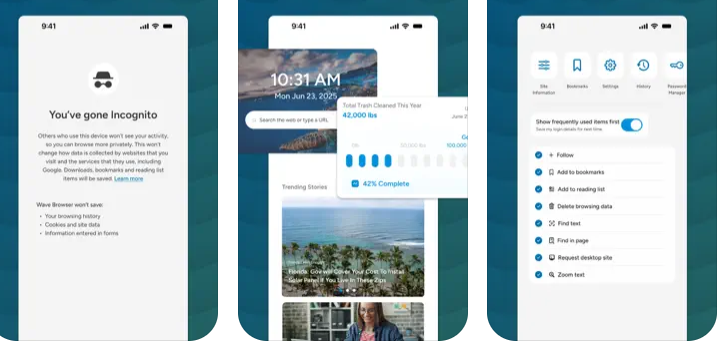
Transparency is critical when selecting digital tools that feature ecological missions. Reliable platforms publish regular reports detailing total waste weights collected through community software usage.
“Thoughtful digital choices allow individuals to support physical environmental cleanup effortlessly, without changing their routine online habits.”
Supporting active save the ocean campaigns through trusted partners like 4ocean guarantees that daily browsing directly funds audited ocean plastic collection. This model gives users a clear, reliable way to participate in environmental protection.
Specialized Features of Modern Web Browsers
Reviewing specialized software features helps users choose an application that aligns with their daily work and lifestyle needs.
Practical Feature Highlights
- Ad & Script Shielding: Suppresses intrusive advertisements to safeguard user privacy and speed up web page downloads.
- Workspace Tab Organization: Groups and sorts open tabs logically to streamline online research and reduce clutter.
- Built-in Workspace Tools: Includes sidebars, instant note pads, unit converters, and translation features for maximum productivity.
- Environmental Support Integration: Uses daily software earnings to support certified ocean plastic extraction programs worldwide.
Step-by-Step Guide to Upgrading Your Daily Web Browser
Migrating your browsing setup to a sustainable platform can be accomplished in just a few quick steps.
- Download the official software setup file directly from the developer’s secure website.
- Launch the installation assistant to import saved logins, browsing history, and favorite bookmarks.
- Turn on built-in protection shields to block invasive scripts, tracking cookies, and popups automatically.
- Arrange sidebar shortcuts to keep essential work software, note pads, and communication modules within easy reach.
- Confirm search preferences so that routine digital searches continue supporting global marine restoration goals.
Conclusion
Choosing a purpose-driven web browser allows internet users to pair high-performance web navigation with direct environmental benefits. Modern software solutions deliver the speed, security, and organization needed for modern online tasks while supporting ocean protection.
By selecting applications dedicated to verified plastic removal, everyday internet users can make a practical contribution to ocean health with every session.