How Imaging Technology Helps Emergency Patients Receive Faster Care
Medical emergencies can happen at any time, and every minute matters. Whether someone has a broken bone, severe chest pain, a head injury, or sudden abdominal pain, doctors need quick answers before treatment begins. This is why imaging services play such an important role in emergency medicine. These advanced diagnostic tools allow physicians to see inside the body without surgery, making it easier to find injuries, illnesses, and hidden medical conditions within minutes.
At ER of Forthworth, advanced imaging technology helps emergency physicians make fast and informed decisions. Quick diagnosis reduces treatment delays, improves patient safety, and increases the chances of a successful recovery.
Why Medical Imaging Matters During Emergencies
Many emergency conditions cannot be diagnosed by symptoms alone. A patient may describe pain, dizziness, or swelling, but the exact cause often remains hidden.
Medical imaging allows doctors to examine bones, organs, muscles, blood vessels, and other internal structures. Instead of guessing, physicians receive clear images that help confirm the diagnosis.
This means patients receive the correct treatment sooner while avoiding unnecessary procedures.
Common Emergency Conditions That Require Imaging
Emergency imaging is used for many medical situations, including:
- Broken or fractured bones
- Head injuries after accidents
- Chest pain
- Difficulty breathing
- Severe abdominal pain
- Internal bleeding
- Kidney stones
- Sports injuries
- Joint dislocations
- Possible strokes
- Back and spine injuries
Early imaging often helps doctors detect problems before they become more serious.
Types of Imaging Available in Emergency Care
Different medical conditions require different imaging methods. Each technology provides unique information.
X-Rays
X-rays are one of the most commonly used imaging tests in emergency medicine.
Doctors use them to detect:
- Bone fractures
- Joint injuries
- Chest infections
- Lung conditions
- Certain abdominal problems
Because X-rays are fast, they are often the first diagnostic test performed after an injury.
CT Scans
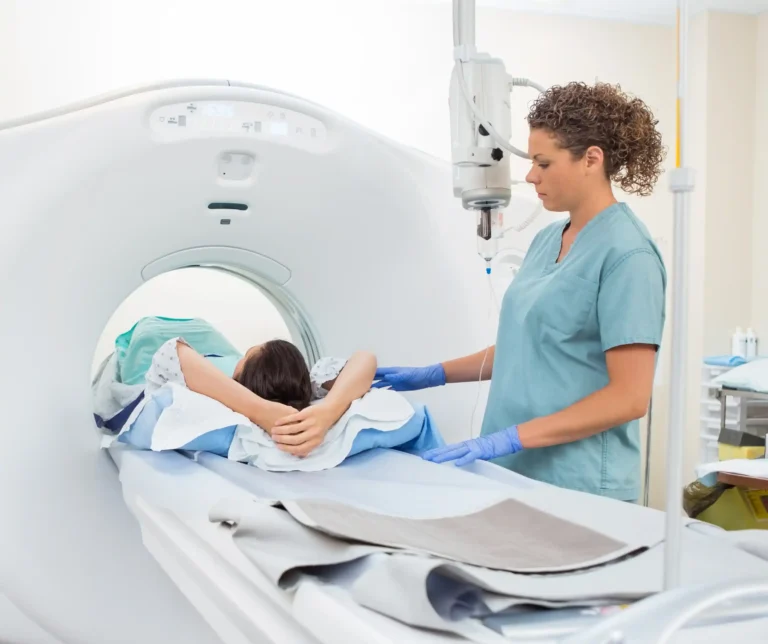
Computed Tomography (CT) scans provide detailed cross-sectional images of the body.
Emergency physicians often request CT scans for:
- Head trauma
- Brain injuries
- Stroke evaluation
- Internal bleeding
- Organ injuries
- Severe abdominal pain
- Chest emergencies
CT scans produce detailed images within minutes, allowing doctors to begin treatment quickly.
Ultrasound Imaging
Ultrasound uses sound waves instead of radiation.
It is commonly used to examine:
- Gallbladder problems
- Kidney conditions
- Pregnancy-related emergencies
- Blood flow
- Soft tissue injuries
- Internal bleeding
Emergency physicians frequently use bedside ultrasound because results are available immediately.
Advanced Digital Imaging
Modern digital imaging systems produce clearer images while reducing wait times.
Benefits include:
- Faster image processing
- Improved image quality
- Better communication between physicians
- Quicker treatment decisions
Digital technology also reduces the need for repeat imaging.
Why Speed Is Critical During Emergencies
Some emergencies become more dangerous every minute.
Examples include:
Stroke
Brain cells begin to die quickly after blood flow stops.
Immediate imaging helps determine:
- Type of stroke
- Area affected
- Best treatment option
Head Injuries
Even a minor accident may cause internal bleeding.
Imaging helps physicians detect:
- Skull fractures
- Brain swelling
- Internal bleeding
Prompt diagnosis can prevent life-threatening complications.
Chest Pain
Chest pain may indicate:
- Heart attack
- Blood clot
- Lung problems
- Aortic injury
Emergency imaging helps doctors identify the exact cause without delay.
Abdominal Emergencies
Severe stomach pain can result from:
- Appendicitis
- Gallstones
- Kidney stones
- Internal bleeding
- Bowel obstruction
Imaging identifies the source of pain and guides treatment.
Benefits of Emergency Imaging
Advanced imaging offers many advantages for both patients and healthcare providers.
These benefits include:
- Faster diagnosis
- Earlier treatment
- Better medical decisions
- Less uncertainty
- Reduced complications
- Improved patient safety
- Shorter emergency visits
- More accurate treatment plans
Quick answers often lead to better outcomes.
What Happens During an Imaging Test?
Many patients worry about what to expect.
The process is usually simple.
First, a healthcare provider explains the test.
The patient is then positioned correctly to capture clear images.
Depending on the type of imaging, the examination may take only a few minutes.
After the scan is complete, emergency physicians review the images and discuss the findings with the patient before creating a treatment plan.
Is Emergency Imaging Safe?
Modern imaging technology is designed with patient safety in mind.
Healthcare professionals only recommend imaging when it is medically necessary.
Many tests, such as ultrasound, do not use radiation at all.
When X-rays or CT scans are required, equipment uses carefully controlled doses to obtain clear images while minimizing exposure.
Emergency physicians always consider the benefits and risks before ordering any imaging study.
How Imaging Improves Emergency Decisions
Doctors often treat patients with similar symptoms that have completely different causes.
For example:
Someone with chest pain may have:
- A heart attack
- Pneumonia
- A muscle injury
- A blood clot
Imaging quickly separates one condition from another, allowing physicians to choose the safest and most effective treatment.
Without imaging, diagnosis could take much longer.
Emergency Imaging for Children
Children often have difficulty describing their symptoms.
Imaging helps emergency physicians identify injuries and illnesses accurately.
Common pediatric uses include:
- Broken bones
- Head injuries
- Abdominal pain
- Breathing problems
- Swallowed objects
Early diagnosis helps children receive appropriate care while avoiding unnecessary treatments.
Imaging After Car Accidents
Vehicle accidents frequently cause injuries that cannot be seen from the outside.
Emergency imaging helps identify:
- Internal bleeding
- Organ damage
- Bone fractures
- Spine injuries
- Chest trauma
Quick diagnosis allows emergency teams to begin treatment immediately.
Supporting Better Recovery
Finding a problem early often leads to faster treatment and better healing.
Accurate imaging helps reduce complications because doctors know exactly what needs attention.
Patients can also avoid unnecessary procedures when imaging clearly identifies the cause of their symptoms.
This improves overall emergency care while giving patients greater confidence in their treatment plan.
Why Choose ER of Forthworth?
During an emergency, fast diagnosis can make all the difference.
ER of Forthworth provides advanced diagnostic imaging to support rapid evaluation and treatment. Experienced emergency physicians work with modern imaging technology to identify injuries and illnesses quickly, helping patients receive timely medical care when every minute counts.
Whether someone arrives with chest pain, trauma, severe abdominal pain, or a possible fracture, rapid imaging supports accurate diagnosis and faster treatment decisions.
Conclusion
Medical emergencies require quick answers, and advanced imaging has become one of the most valuable tools in emergency care. By providing detailed views of the body’s internal structures, imaging helps physicians diagnose injuries and illnesses accurately while reducing treatment delays.
At ER of Forthworth, modern imaging technology supports faster evaluations, informed medical decisions, and high-quality emergency care. When every second matters, having immediate access to advanced diagnostic imaging can make a significant difference in patient outcomes.
For more information visit:https://eroffortworthtx.com/services/imaging-services-in-fort-worth/