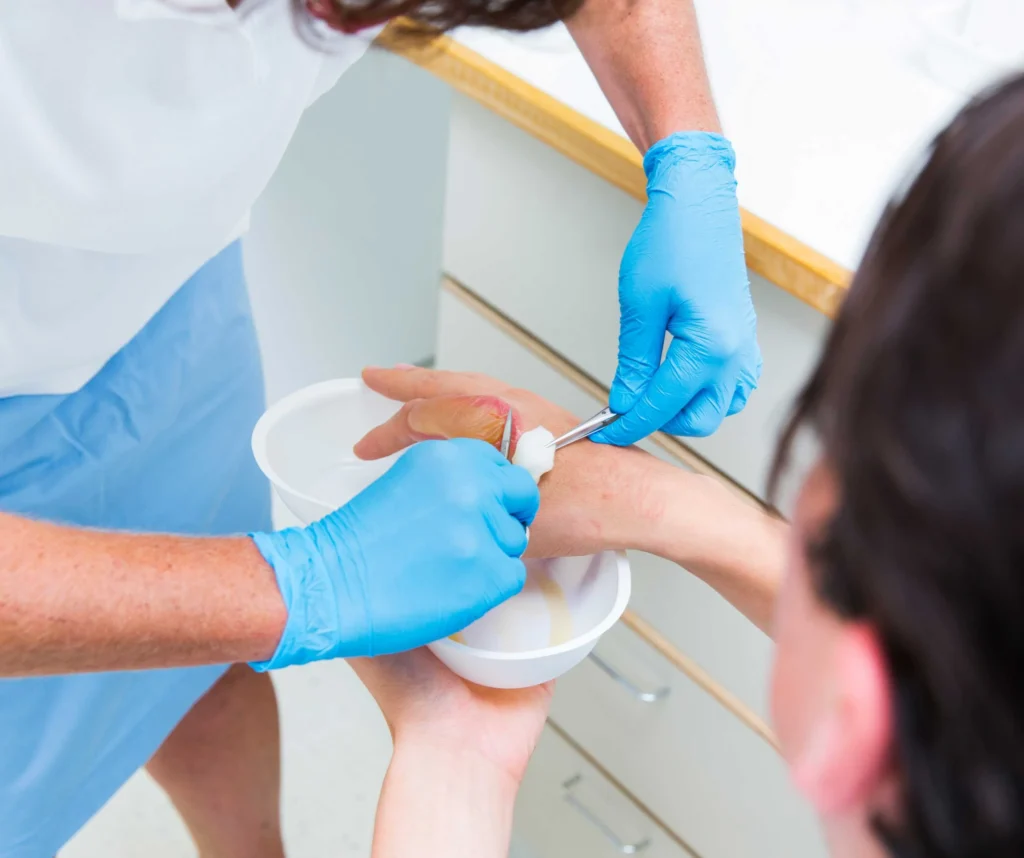
Burn injuries are among the most common emergencies affecting people of all ages. Whether caused by hot liquids, fire, steam, chemicals, electricity, or prolonged sun exposure, burns require quick attention to reduce complications and promote healing. Receiving burn treatment as soon as possible can minimize tissue damage, relieve pain, lower the risk of infection, and improve recovery outcomes.
Some burns can be safely managed at home, while others require immediate emergency medical care. Knowing the difference helps protect your health and prevents serious complications. At ER of Forthworth, experienced emergency physicians evaluate burn injuries quickly and provide advanced treatment for patients with mild, moderate, and severe burns.
Understanding Burn Injuries
A burn is damage to the skin or deeper tissues caused by heat, chemicals, electricity, radiation, or friction. Burns vary in severity depending on:
- Depth of the burn
- Size of the affected area
- Cause of the injury
- Location on the body
- Age and overall health of the patient
The faster appropriate care begins, the better the chances of avoiding complications.
Common Causes of Burns
Many everyday situations can lead to burn injuries.
Thermal Burns
These occur from:
- Hot water
- Steam
- Fire
- Hot cooking oil
- Heated metal surfaces
Chemical Burns
Strong chemicals may damage the skin, including:
- Cleaning products
- Industrial chemicals
- Acids
- Alkalis
Electrical Burns
Electrical current can damage both skin and internal tissues.
Common causes include:
- Faulty wiring
- Power lines
- Household electrical accidents
Radiation Burns
These include:
- Sunburn
- Radiation therapy
- Industrial radiation exposure
Friction Burns
These happen when skin rubs against rough surfaces such as:
- Road accidents
- Sports injuries
- Treadmill accidents
Types of Burns
Burns are classified according to how deeply they affect the skin.
First-Degree Burns
These affect only the outer skin layer.
Symptoms include:
- Redness
- Mild swelling
- Pain
- Dry skin
Most heal within one week.
Second-Degree Burns
These affect deeper skin layers.
Symptoms include:
- Blisters
- Severe pain
- Swelling
- Red or pink appearance
- Moist skin
Some require professional medical treatment.
Third-Degree Burns
These destroy multiple skin layers and may damage nerves.
Symptoms include:
- White, black, or charred skin
- Little or no pain initially
- Severe tissue damage
These burns always require emergency medical care.
Immediate First Aid for Burns
Quick first aid can reduce burn severity before reaching an emergency room.
Cool the Burn
Use cool running water for about 20 minutes.
Avoid:
- Ice
- Ice water
These may worsen tissue damage.
Remove Tight Items
Carefully remove:
- Rings
- Watches
- Tight clothing
Do this before swelling develops.
Cover the Burn
Use:
- Clean gauze
- Sterile dressing
- Non-stick bandage
Avoid fluffy materials that may stick.
Avoid Home Remedies
Do not apply:
- Butter
- Toothpaste
- Oils
- Egg whites
These may increase infection risk.
When Should You Visit an Emergency Room?
Some burns need immediate emergency evaluation.
Seek emergency care if the burn:
- Covers a large body area
- Is deeper than the outer skin
- Involves the face
- Affects hands or feet
- Involves joints
- Affects the genitals
- Results from electricity
- Results from chemicals
- Causes difficulty breathing
- Shows signs of infection
Children and older adults should also receive prompt medical evaluation for significant burns.
Emergency Burn Evaluation
At ER of Forthworth, emergency physicians carefully examine each burn injury.
Evaluation includes:
- Medical history
- Physical examination
- Burn depth assessment
- Burn size measurement
- Pain evaluation
- Infection assessment
Additional tests may be ordered if internal injuries are suspected.
Emergency Burn Treatments
Treatment depends on burn severity.
Wound Cleaning
Burn wounds are gently cleaned to reduce bacteria and remove damaged tissue.
Pain Management
Emergency physicians provide medications that help control pain while improving comfort.
Burn Dressings
Special dressings help:
- Protect the wound
- Maintain moisture
- Reduce infection risk
- Promote healing
IV Fluids
Large burns may lead to significant fluid loss.
Intravenous fluids help maintain:
- Blood pressure
- Hydration
- Organ function
Infection Prevention
Burn injuries increase infection risk.
Doctors may recommend:
- Antibiotic ointments
- Prescription medications when necessary
- Regular wound monitoring
Advanced Wound Care
Severe burns sometimes require:
- Specialized wound management
- Surgical consultation
- Ongoing emergency monitoring
Healing After a Burn
Recovery depends on:
- Burn depth
- Burn size
- Overall health
- Proper wound care
Patients should:
- Keep wounds clean
- Change dressings as instructed
- Drink plenty of water
- Eat protein-rich foods
- Protect healing skin from sunlight
Follow-up care helps ensure proper healing.
Preventing Burn Injuries
Many burns can be prevented through simple safety habits.
At Home
- Keep hot drinks away from children.
- Turn pot handles inward.
- Test bath water temperature.
- Install smoke detectors.
- Keep matches out of children’s reach.
At Work
- Wear protective equipment.
- Follow workplace safety rules.
- Handle chemicals carefully.
- Maintain electrical equipment.
Outdoors
- Apply sunscreen.
- Avoid prolonged sun exposure.
- Stay away from open flames.
- Practice campfire safety.
Burn Complications
Without proper treatment, burns may lead to:
- Infection
- Permanent scarring
- Reduced mobility
- Nerve damage
- Dehydration
- Shock
- Skin contractures
Early emergency care greatly reduces these risks.
Children and Burn Safety
Children are especially vulnerable to burns.
Parents should:
- Supervise children in the kitchen.
- Keep hot beverages out of reach.
- Cover electrical outlets.
- Store chemicals safely.
- Set water heater temperatures appropriately.
Quick action can prevent lifelong injuries.
Caring for Burns at Home After Emergency Treatment
Once discharged from the emergency room, proper home care supports healing and reduces complications.
Follow these recommendations:
- Keep the wound clean and dry.
- Change dressings exactly as instructed.
- Take prescribed medications on schedule.
- Avoid scratching or picking at healing skin.
- Watch for redness, swelling, drainage, or fever.
- Attend all follow-up appointments.
- Protect healing skin from direct sunlight.
If pain suddenly worsens or signs of infection develop, seek emergency medical attention immediately.
Why Choose ER of Forthworth for Burn Emergencies?
When a burn injury requires immediate attention, timely emergency care can make a significant difference. ER of Forthworth provides comprehensive emergency evaluation and treatment for burns in a comfortable environment.
Patients benefit from:
- Experienced emergency physicians
- Rapid medical evaluation
- Advanced diagnostic services
- Modern wound care
- Pain management
- IV therapy
- Infection prevention
- Personalized treatment plans
- Compassionate emergency care
The goal is to stabilize injuries quickly, relieve pain, and support the best possible recovery.
Conclusion
Burn injuries can range from minor skin irritation to life-threatening emergencies, making prompt care essential. Understanding burn types, providing immediate first aid, recognizing warning signs, and seeking emergency treatment when needed all contribute to better healing and fewer complications. Whether a burn is caused by heat, chemicals, electricity, or radiation, receiving professional medical care without delay helps protect both skin and overall health. ER of Forthworth is committed to delivering fast, compassionate emergency care to help patients recover safely and confidently.
For more information visit:https://eroffortworthtx.com/services/burns-treatment/