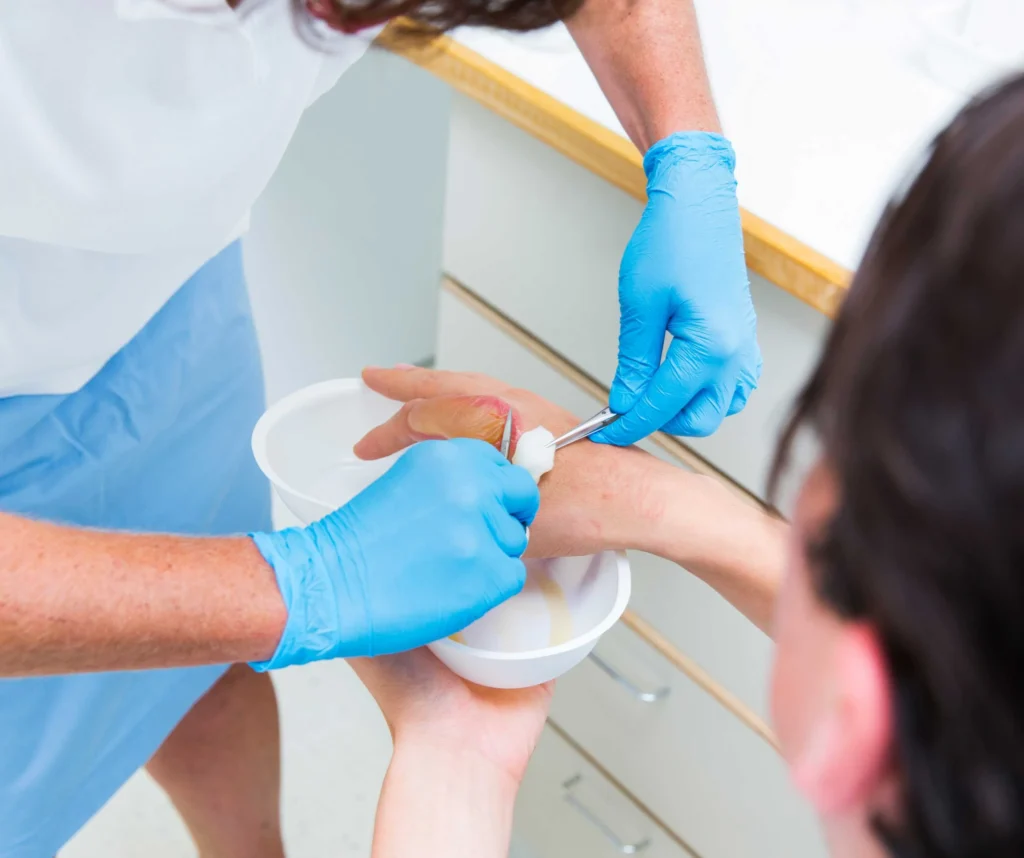
Burn injuries are among the most painful medical emergencies. They can happen at home, at work, while cooking, during electrical accidents, or because of chemical exposure. While some burns can be treated safely at home, others require immediate emergency care to prevent infection, reduce tissue damage, and improve healing.
At ER of Forthworth, our emergency team is available 24/7 to evaluate and treat all types of burns. Whether the injury is caused by heat, electricity, chemicals, or hot liquids, receiving burn treatment quickly can help reduce complications and support a faster recovery.
Understanding Burn Injuries
A burn is damage to the skin or deeper tissues caused by heat, electricity, chemicals, radiation, or friction. The severity depends on:
- How deep the burn is
- The size of the burned area
- The cause of the injury
- The person’s age and overall health
- Whether smoke inhalation occurred
Even burns that appear small may become serious if they affect sensitive areas such as the face, hands, feet, joints, or genitals.
Common Causes of Burns
Burn injuries occur in many everyday situations.
Fire and Flame Burns
House fires, campfires, grills, candles, and workplace accidents can all cause severe burns.
Scald Burns
Hot water, steam, coffee, soup, and cooking oil are common causes of burns, especially in children.
Electrical Burns
Electrical current can damage tissues beneath the skin even when little damage is visible on the surface.
Chemical Burns
Cleaning products, industrial chemicals, acids, and alkalis can burn the skin and eyes.
Sunburn and Radiation Burns
Too much exposure to ultraviolet rays or radiation can damage the skin and increase the risk of complications.
Types of Burn Severity
First-Degree Burns
These burns affect only the outer layer of the skin.
Symptoms include:
- Redness
- Mild swelling
- Pain
- Dry skin
Most heal within a week.
Second-Degree Burns
These burns affect deeper skin layers.
Common symptoms include:
- Blisters
- Severe pain
- Swelling
- Moist or shiny skin
- Red or white appearance
Medical evaluation is often recommended.
Third-Degree Burns
These are serious burns that destroy all skin layers.
Symptoms may include:
- White, black, or charred skin
- Leathery appearance
- Little or no pain because nerves are damaged
- Severe tissue destruction
These burns always require emergency medical care.
Signs You Should Go to the Emergency Room Immediately
Seek emergency care if a burn:
- Covers a large area of the body
- Is deeper than the outer skin
- Involves the face, hands, feet, joints, or genitals
- Was caused by electricity
- Was caused by chemicals
- Is accompanied by breathing problems
- Shows signs of infection
- Causes severe pain
- Happens after an explosion
- Occurs together with other injuries
Prompt treatment reduces the risk of complications and improves healing.
First Aid Before Reaching the Emergency Room
The right first aid can reduce further damage.
Cool the Burn
Place the burned area under cool (not ice-cold) running water for about 20 minutes.
Remove Tight Items
Carefully remove rings, watches, or tight clothing before swelling begins.
Cover the Burn
Use a clean, dry cloth or sterile bandage.
Do Not Pop Blisters
Blisters protect the damaged skin from infection.
Avoid Home Remedies
Do not apply:
- Butter
- Toothpaste
- Oils
- Ice
- Powder
- Raw egg
These can worsen the injury.
What Happens During Emergency Burn Care?
When you arrive at ER of Forthworth, the medical team quickly evaluates the severity of the burn.
Treatment may include:
- Complete physical examination
- Pain management
- Cleaning the wound
- Removing damaged tissue
- Sterile dressings
- IV fluids for larger burns
- Infection prevention
- Tetanus vaccination if needed
- Monitoring for breathing problems
- Referral to a specialized burn center if necessary
Every patient receives individualized care based on the type and severity of the injury.
Why Burn Injuries Can Become Dangerous
Many people underestimate burns because the skin damage appears small.
Serious complications may include:
- Severe infection
- Fluid loss
- Shock
- Permanent scarring
- Loss of movement
- Nerve damage
- Organ damage from electrical burns
- Breathing problems from smoke inhalation
Early treatment helps lower these risks.
Burn Care for Children
Children have thinner skin, making burns more serious.
Parents should seek immediate evaluation if:
- A baby or young child suffers any significant burn
- Blisters develop
- The burn covers a large area
- The face or hands are involved
- Hot liquids caused the injury
- The child has trouble breathing
Quick medical attention can prevent long-term complications.
Burn Care for Older Adults
Older adults may heal more slowly because of thinner skin and other medical conditions.
Emergency care is especially important because they are at greater risk for:
- Infection
- Dehydration
- Slow wound healing
- Complications from chronic illnesses
Recovery After a Burn Injury
Healing depends on:
- Burn depth
- Burn size
- Overall health
- Proper wound care
- Nutrition
- Follow-up treatment
Patients should:
- Keep dressings clean
- Take medications as prescribed
- Drink plenty of fluids
- Eat protein-rich foods
- Protect healing skin from sunlight
- Attend all follow-up appointments
How to Prevent Burn Injuries
Many burns can be avoided through simple safety habits.
At Home
- Keep children away from hot liquids.
- Turn pot handles inward while cooking.
- Install smoke detectors.
- Test smoke alarms regularly.
- Keep matches and lighters out of children’s reach.
At Work
- Wear protective equipment.
- Follow electrical safety rules.
- Handle chemicals carefully.
- Follow workplace safety guidelines.
Outdoors
- Use sunscreen.
- Stay away from open flames.
- Keep campfires under control.
- Supervise children near grills.
Why Choose ER of Forthworth for Emergency Burn Care?
ER of Forthworth provides emergency medical care around the clock for patients with burn injuries.
Patients benefit from:
- 24/7 emergency services
- Experienced emergency physicians
- Rapid evaluation
- Advanced wound care
- Pain management
- Diagnostic imaging when needed
- IV therapy
- Personalized treatment plans
- Fast stabilization for severe injuries
- Compassionate care for adults and children
Our goal is to provide timely treatment that supports recovery and helps reduce complications.
Frequently Asked Questions (FAQs)
Can I treat a burn at home?
Small first-degree burns can often be managed at home. Larger, deeper, or painful burns should be evaluated by a medical professional.
When should I visit the emergency room for a burn?
Go immediately if the burn is large, deep, caused by chemicals or electricity, affects the face or hands, or causes breathing difficulty.
Should I put ice on a burn?
No. Ice can damage the skin further. Use cool running water instead.
Can burns become infected?
Yes. Burns damage the skin’s protective barrier, making infection possible if not properly treated.
How long do burns take to heal?
Minor burns may heal within one to two weeks. More serious burns may require several weeks or even months.
Are electrical burns always serious?
Yes. Electrical burns may cause internal injuries that are not visible on the skin and should always be evaluated in an emergency room.
Can children recover fully from burns?
Many children recover well with prompt treatment and proper follow-up care, although severe burns may require specialized treatment.
For more information visit:https://eroffortworthtx.com/services/burns-treatment/