Are you a citizen of Equatorial Guinea planning to visit the “Real Africa”? Whether you’re drawn by the majestic Victoria Falls, the diverse wildlife of South Luangwa, or booming business opportunities in Lusaka, obtaining your travel authorization is the first step. Thanks to the Zambia e-Visa system, the process is now faster and entirely online.
In this guide, we break down everything you need to know about the Zambia e-Visa for Equatorial Guinea Citizens, ensuring your application is approved without a hitch.
Do Citizens of Equatorial Guinea Need a Visa for Zambia?
Yes, citizens of Equatorial Guinea are required to obtain a visa to enter Zambia. The e-Visa (Electronic Visa) is the official and most convenient method for Equatoguinean passport holders to secure their entry permit before arrival. This digital system replaces the need to visit an embassy in person, making travel prep much simpler.
What Are the Available Zambia e-Visa Types for Equatoguinean Passport Holders?
Zambia offers several visa categories depending on the purpose and duration of your stay. Here are the options available for citizens of Equatorial Guinea:
Tourist Visa: For leisure and sightseeing. Available as Single, Double, or Multiple Entry (90 days).
Business Visa: For attending meetings or exploring trade. Available as Single, Double, or Multiple Entry (30 days).
Transit Visa: Ideal for those passing through Zambia to a third country. Valid for 7 days (Multiple Entry).
Student Visa: For those enrolled in Zambian educational institutions. Available for 90 days with Single, Double, or Multiple Entry options.
Ordinary Visa: A general-purpose visa for visitors not falling strictly under tourism or business (90 days).
What Are the Mandatory Documents Required for the Zambia e-Visa?
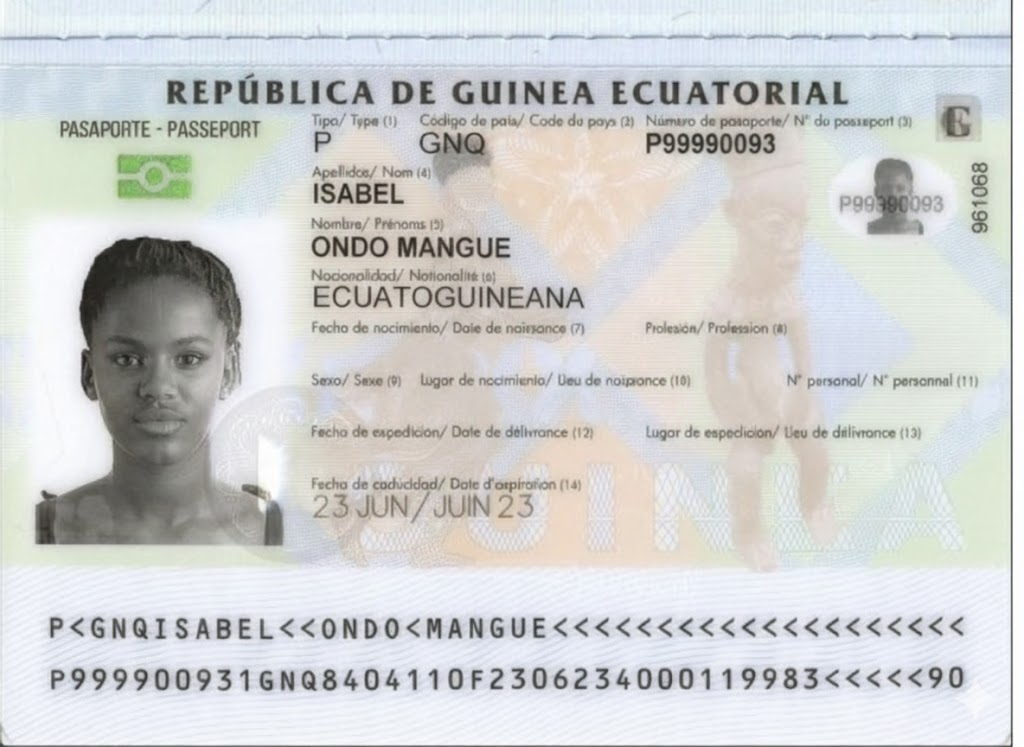
Passport Bio Page: A clear scan of your Equatorial Guinea passport (valid for at least 6 months).
Applicant Photo: A recent, digital passport-sized photograph.
Covering Letter: A signed letter from you addressed to the Director General of Immigration explaining your visit.
Return Airline Ticket: Proof of your intended departure from Zambia.
Category-Specific Documentation:
For Students: A covering letter issued by the school, college, or university, addressed to the Director General of Immigration.
For Business: A covering letter from the host company on official letterhead and certified photocopies of the certificate of incorporation.
For Hosts: If staying with a resident, provide a Passport/NRC copy for the Zambian host or an Immigration Permit copy for foreign residents.
What Are the Hotel Stay Rules for Tourists?
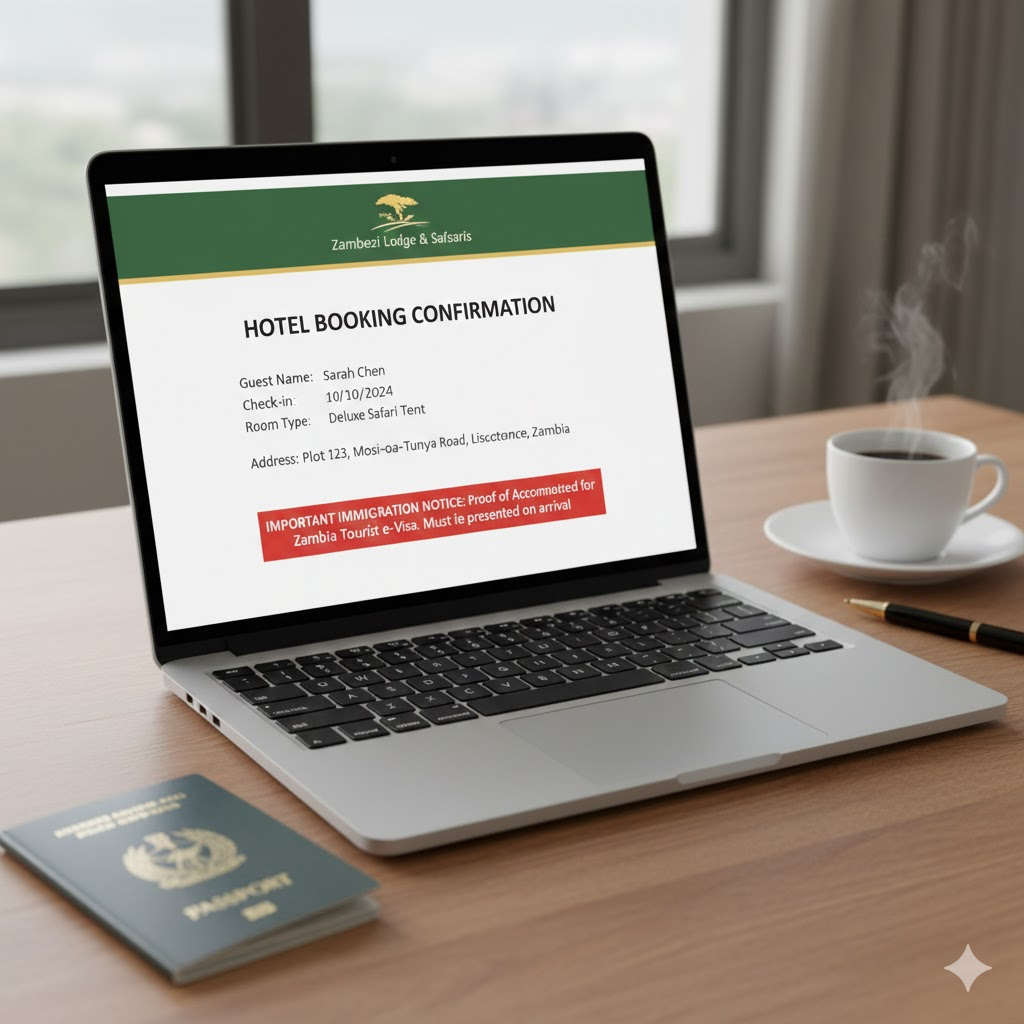
When applying for a Zambia Tourist e-Visa, you must provide proof of accommodation. Zambian immigration requires a confirmed hotel reservation for the duration of your stay. If you are moving between cities, it is best to provide the booking for your first point of entry. If you are staying with a private host, you must provide their physical address and a copy of their NRC (National Registration Card) or Passport.
What Activities are Permitted on a Business Visa?
The Business e-Visa is strictly for non-productive work. This includes:
Attending business meetings, workshops, or conferences.
Negotiating deals and signing contracts.
Exploratory business visits or site tours.
Consulting with Zambian partners. Note: Engaging in actual employment or selling goods/services locally requires a temporary employment permit, not a business visa.
Do I Need to Provide Bank Statements for My Application?
While not always explicitly listed as a “mandatory” upload for every category, it is highly recommended to have a bank statement from the last 3 months ready. Immigration officials may request “proof of sufficient means of subsistence.” A recent statement showing you have enough funds to cover your stay in Zambia can prevent delays or requests for additional information.
What Are the Mandatory Vaccines for Entering Zambia?
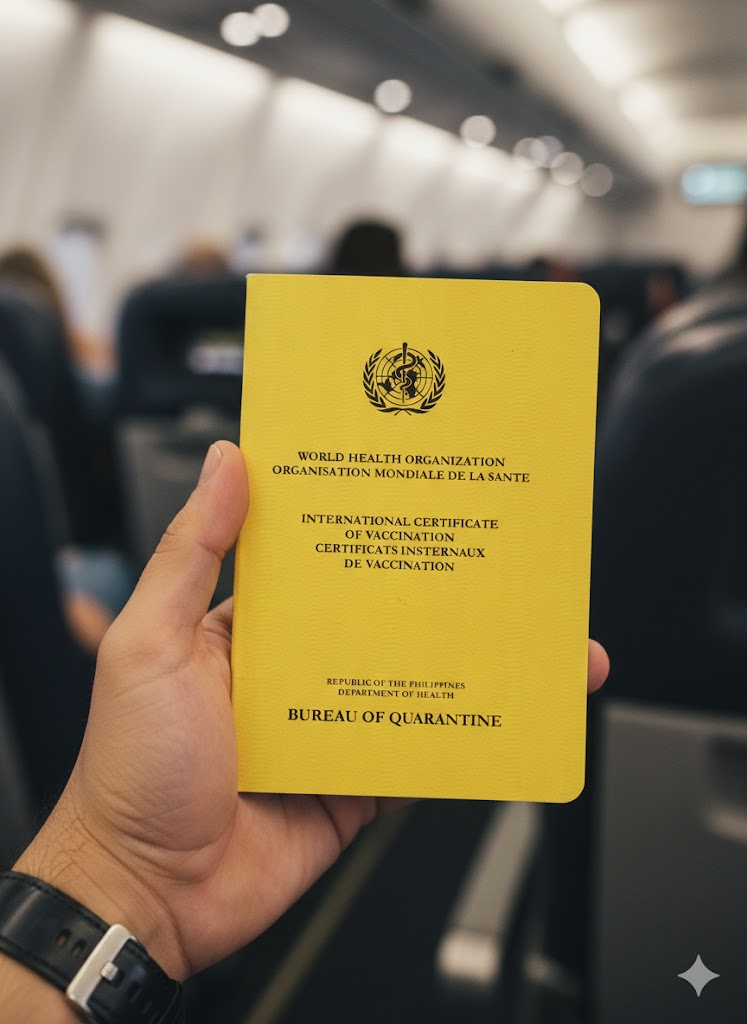
For citizens of Equatorial Guinea, the Yellow Fever vaccination certificate is mandatory. Because Equatorial Guinea is considered a transmission-risk country, you will be asked for your “Yellow Book” upon arrival. Other recommended (though not always mandatory) vaccines include Hepatitis A, Typhoid, and Polio boosters. Malaria prophylaxis is also strongly advised.
Which Zambian Airports Feature Biometric Boarding?
Major international gateways like Kenneth Kaunda International Airport (LUN) in Lusaka and Harry Mwanga Nkumbula International Airport (LVI) in Livingstone are equipped with biometric systems. Upon arrival with your e-Visa approval letter, officers will capture your fingerprints and a digital photo to match your e-Visa record before affixing the physical visa sticker.
Is There a Digital Arrival Card to Fill Out Before Flying?
Zambia is moving toward more digital integration. While traditional paper forms are still used on some flights, travelers are increasingly encouraged to check if a digital health or arrival declaration is required closer to their travel date. Currently, the most important “digital” step is having your e-Visa approval letter saved on your phone and printed.
Do I Need an Exit Permit to Leave Zambia?
Generally, no. As long as you leave before your visa expires, you do not need a special exit permit. However, if your passport is lost or stolen while in the country, you must visit the Immigration Headquarters to obtain a replacement entry/exit permit before you will be allowed to board a flight out of the country.
What Are the Rules for Diplomatic Passport Holders?
Holders of Diplomatic or Official passports from Equatorial Guinea are often entitled to a Gratis Visa (free of charge). While these can sometimes be obtained on arrival, it is standard practice to present a Note Verbale from the Ministry of Foreign Affairs in Equatorial Guinea to the Zambian mission or apply via the official channels to ensure a smooth, dignified entry.
What Are the Visa-Free Entry Limits?
Citizens of Equatorial Guinea currently require a visa for entry. However, if you hold a Diplomatic or Official passport, you may be eligible for different entry rules or a “Gratis” visa. Ordinary passport holders must always apply for the e-Visa or visa-on-arrival (though e-Visa is preferred to avoid long airport queues).
Can I Work Remotely on a Zambian Tourist eVisa?
Technically, a Tourist e-Visa is for leisure. However, like many countries, Zambia currently operates in a “grey area” regarding digital nomads. As long as you are working for an employer outside of Zambia and not engaging with the local labor market or local clients, “work-from-anywhere” activities are generally tolerated. However, if you plan to stay long-term, you should consult with an agent regarding specific residence permits.
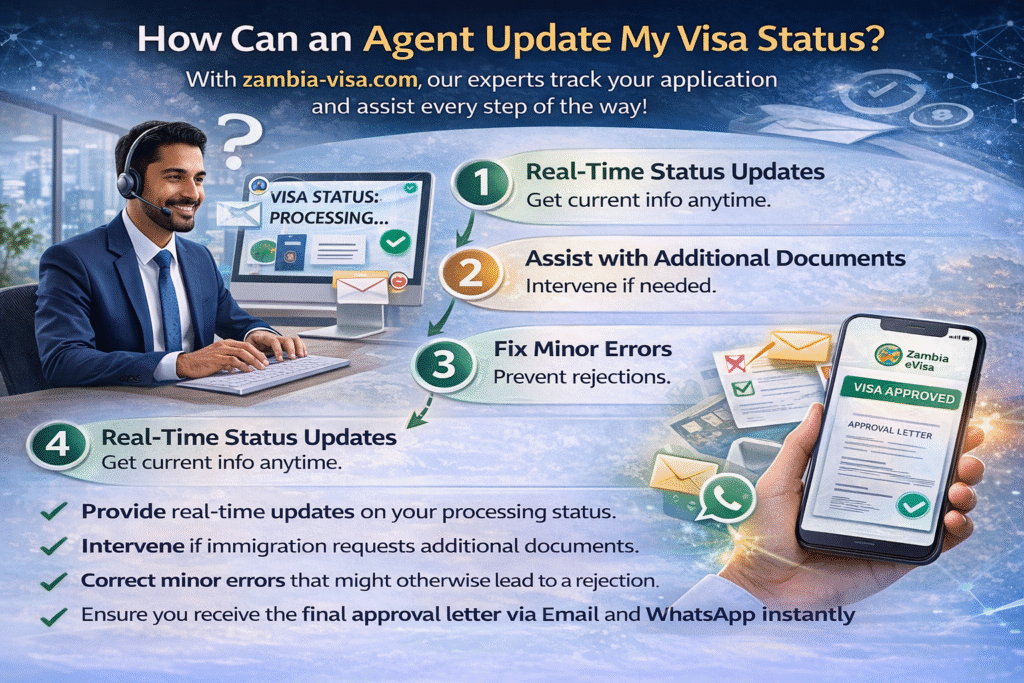
How Can an Agent Update My Visa Status?
When you use a professional service like zambia-visa.com, our agents have direct access to track your application. We can:
Provide real-time updates on your processing status.
Intervene if immigration requests additional documents.
Correct minor errors that might otherwise lead to a rejection.
Ensure you receive the final approval letter via email and WhatsApp instantly.
How to Avoid Common eVisa Mistakes?
Blurry Scans: Ensure your passport bio-page is perfectly clear.
Incorrect Dates: Double-check that your arrival date matches your flight ticket.
Wrong Category: Don’t apply for a Tourist visa if you are attending a business conference.
Payment Failure: Ensure your card is authorized for international transactions to avoid “Pending Payment” status.
Staying Connected: Should I Use an eSIM?
Zambia has good mobile coverage in urban areas and major parks. For the best experience, we recommend using an eSIM from providers like Airalo or Saily, or purchasing a local SIM (MTN or Airtel) upon arrival. An eSIM allows you to have data the moment you land, which is helpful for accessing your e-Visa approval letter or booking a ride-share from the airport.