A bed sits at the center of every bedroom conversation and yet it’s often the one item owners rush through buying. Grab whatever’s cheapest at the nearest store and move on to the next task on the list. That approach works fine right up until a tenant complains about a sagging mattress six months into a lease or a frame collapses under normal use. Bed choices tend to work best when they sit alongside good organization habits already built through a landlord package. Choosing a comfortable bed for a rental isn’t complicated but it does require a bit more thought than picking the first option that pops up in a search.
What Mattress Firmness Suits the Widest Range of Tenants?
Medium firm sits at the sweet spot for rental properties since it accommodates side sleepers back sleepers and stomach sleepers without leaning too far toward any single preference. Ultra soft mattresses feel great to some tenants and terrible to others which creates uneven satisfaction across a tenant base. A medium firm hybrid combining foam layers with coil support tends to please the largest possible group while holding its shape longer than pure foam ever could.
Does Mattress Size Affect Tenant Satisfaction?
Yes and this gets overlooked more than expected. A queen size mattress fits most bedrooms comfortably and suits both single tenants and couples without feeling cramped. Full size mattresses work in smaller rooms but can feel tight for anyone sharing the bed regularly. King size mattresses only make sense in larger primary bedrooms since cramming one into a small secondary room eats up walking space and makes the whole room feel smaller in photos.
What Bed Frame Height Works Best for Rentals?
A frame sitting somewhere around fourteen to sixteen inches high suits most tenants including older renters who might struggle getting in and out of a bed set too low to the ground. Platform frames without a box spring simplify moving furniture between tenants since there’s one less piece to haul around during turnover. Lower profile frames also tend to survive assembly and disassembly better than taller ornate designs with more parts that can loosen or break.
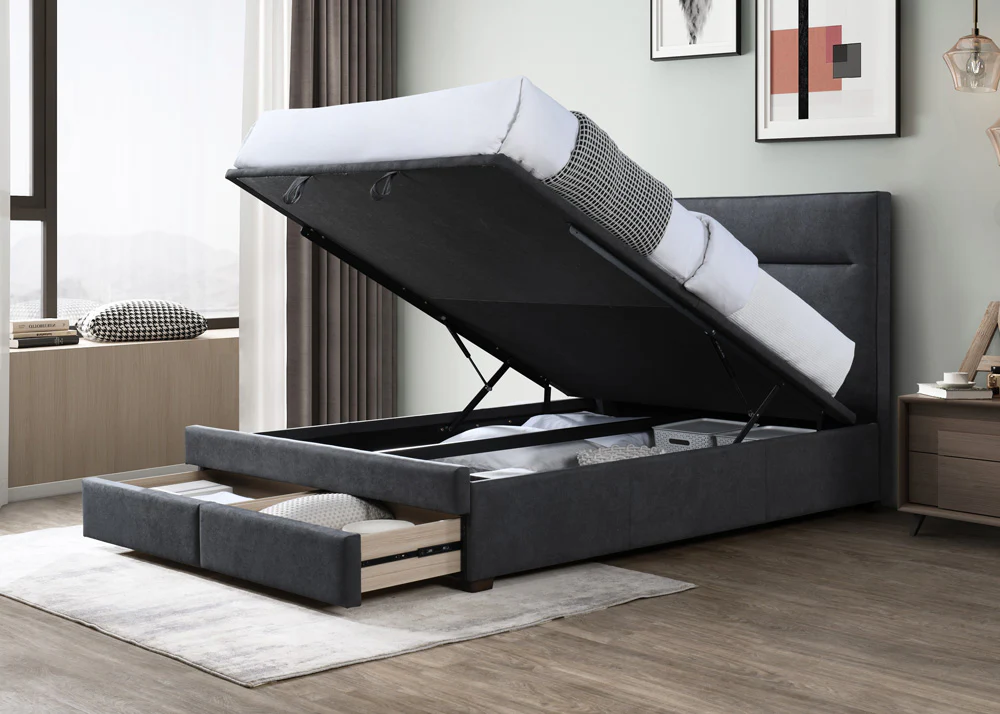
Should Landlords Choose Storage Beds for Small Bedrooms?
Storage beds with drawers built into the frame base solve a real problem in smaller rental bedrooms where closet space often runs short. Tenants appreciate the extra storage without needing to buy separate furniture that eats up floor space. The tradeoff comes down to weight and complexity since storage frames weigh more and involve more moving parts that can wear out faster than a simple platform design.
How Important Is Mattress Warranty When Buying for Rentals?
Warranty length matters quite a bit since a mattress replaced every year due to premature sagging destroys any savings gained from buying cheap in the first place. Look for mattresses carrying at least a ten year warranty even if the rental turnover means a single tenant won’t use it that long. Warranty length usually signals build quality more reliably than price alone since manufacturers rarely back a flimsy product with a long guarantee.
Does Bed Assembly Difficulty Matter for Rental Turnover?
Absolutely since beds get moved and reassembled far more often in a rental than in a typical owned home. Frames requiring minimal tools and straightforward assembly save time and reduce the chance of stripped screws or missing hardware after repeated moves. Complicated frames with dozens of small parts tend to lose pieces over multiple tenant turnovers which eventually forces an early replacement nobody planned for.
Should Bed Choices Get Recorded for Future Reference?
Yes and this step protects an owner more than most realize until a dispute actually happens. Noting the bed brand model and purchase date gives a clear reference point for warranty claims and replacement timing down the road. A landlord package built with space for this kind of tracking keeps bed related records organized alongside everything else a rental operation needs to manage across multiple units and multiple years.
What’s the Biggest Mistake Landlords Make Choosing Beds?
Buying based purely on price without checking build quality or reviews tops the list of common mistakes. A cheap frame or mattress that needs replacing within a year costs more overall than a slightly pricier option built to last through several tenancies. Skipping research entirely and grabbing whatever’s on sale that week often leads to exactly this kind of expensive repeat purchase cycle.
Final Thoughts
Choosing the right bed for a rental property comes down to balancing comfort durability and practicality rather than chasing the lowest price tag available. A medium firm queen mattress paired with a sturdy low profile frame satisfies the widest range of tenants while surviving the wear that comes with regular turnover. Keeping good records of these purchases through something like a landlord package makes future decisions easier and protects an owner when questions about condition or replacement timing eventually come up.
Frequently Asked Questions
How often should a rental mattress get replaced?
Roughly every five to seven years depending on tenant turnover and how well the mattress held up under regular use.
Is a platform bed better than one needing a box spring?
Usually yes for rentals since platform beds involve fewer parts and simplify moving furniture between tenants during turnover.
Should landlords buy the same bed brand across every unit?
Not required though sticking with one reliable brand simplifies warranty tracking and ordering replacement parts when needed.
Does bed frame material affect how long it lasts in a rental?
Yes since metal frames generally outlast wood ones under the repeated assembly and disassembly a rental bed goes through.
What size bed works best for most rental bedrooms?
Queen size fits the widest range of bedroom dimensions and suits both single tenants and couples comfortably.