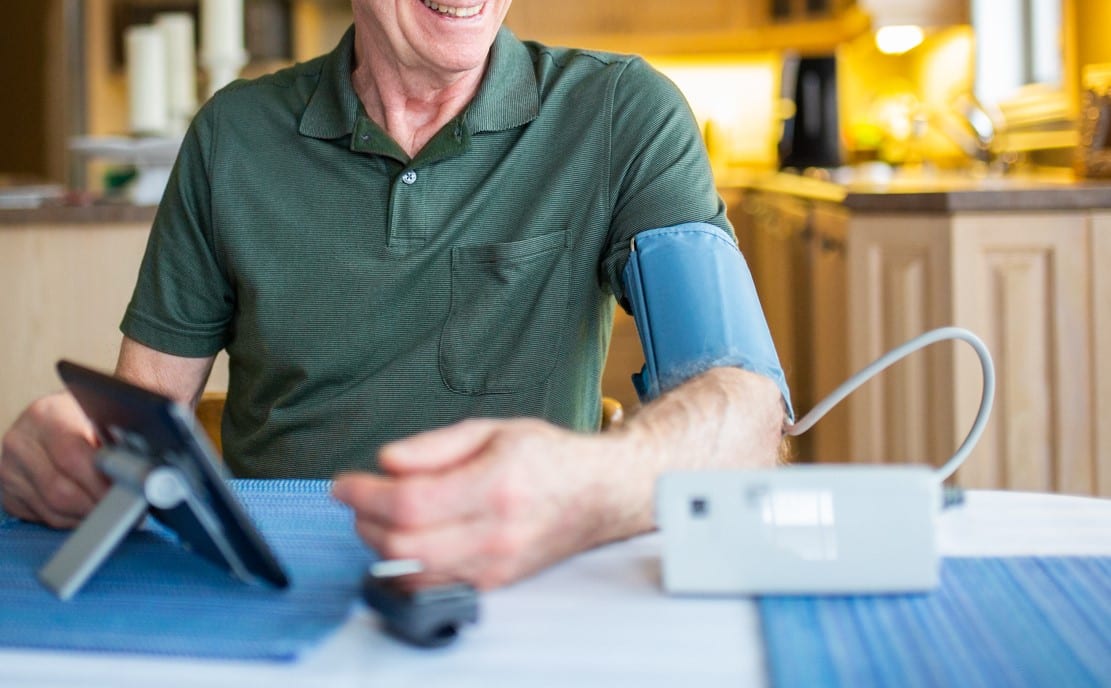
Integrating modern technology into healthcare workflows has transformed how providers track patient wellness outside traditional settings. As care models shift toward continuous oversight, managing the influx of data can overwhelm standard operations. Utilizing a Virtual Assistant for Remote Patient Monitoring allows organizations to streamline data collection, minimize administrative burdens, and ensure seamless communication. By handling routine tracking and documentation tasks, a Virtual Assistant for Remote Patient Monitoring serves as a vital bridge between individuals at home and the core healthcare team, optimizing efficiency without sacrificing attention to detail.
-
Enhanced Care Continuity: Bridging the gap between scheduled visits ensures that vital data flows consistently to the tracking platform.
-
Streamlined Workflows: Delegating data management to an off-site professional reduces the daily administrative load on internal personnel.
-
Improved Data Accuracy: Continuous monitoring and prompt entry of incoming metrics minimize gaps in patient records.
Optimizing Health Data Management
Managing the continuous stream of physiological data generated by tracking devices requires constant vigilance and systematic organization. Off-site support professionals excel at gathering, organizing, and inputting these metrics directly into digital record systems, ensuring that information is always up to date. When data is meticulously organized, patterns become easier to recognize, allowing the primary care team to review clean, structured information during their regular assessments.
-
Real-Time Organization: Incoming metrics from various tracking tools are structured systematically for immediate review.
-
System Integration: Assistants update central databases promptly, reducing the risk of administrative backlogs.
-
Error Reduction: Focused attention on data entry minimizes clerical mistakes and preserves information integrity.
Organizing Daily Physiological Metrics
Tracking daily vitals involves handling numerous data points from multiple pieces of equipment. Remote assistants ensure each metric is correctly categorized, timestamps are verified, and the digital files match the corresponding individual profiles without delay.
-
Metric Categorization: Sorting diverse data types, such as blood pressure logs or glucose levels, into specific digital folders.
-
Timestamp Verification: Cross-referencing the exact time of data generation to maintain an accurate chronological timeline.
Maintaining Seamless System Synchronicity
Ensuring that tracking software communicates perfectly with central records prevents information silos. Dedicated virtual professionals oversee these synchronization processes, noting any technical discrepancies that might delay data updates.
-
Silo Prevention: Unifying disjointed software applications to create a single, cohesive information repository.
-
Discrepancy Logging: Identifying and highlighting tracking gaps or transmission errors for tech support resolution.
Enhancing Patient Engagement and Compliance
A major hurdle in continuous tracking programs is ensuring individuals use their devices correctly and consistently. Virtual support professionals provide regular touchpoints, offering gentle reminders and troubleshooting basic device usage questions to keep individuals actively engaged in their care plans. This consistent interaction fosters a sense of accountability and support, which significantly boosts adherence rates over the long term.
-
Consistent Touchpoints: Regular communication keeps individuals motivated and focused on their daily tracking goals.
-
Accountability Support: Structured check-ins encourage individuals to remain compliant with their daily reading schedules.
-
Adherence Boosting: Active engagement directly correlates with fewer missed readings and more complete data sets.
Delivering Structured Reading Reminders
Automated alerts can often be ignored, but personalized outreach carries more weight. Remote assistants manage customized notification schedules to remind individuals when it is time to utilize their tracking equipment.
-
Personalized Outreach: Tailoring communication methods to suit individual preferences, whether through text or email.
-
Schedule Management: Tracking which individuals require reminders based on their specific observation intervals.
Troubleshooting Basic Equipment Inquiries
When individuals experience minor technical difficulties with their tracking tools, they often stop using them entirely. Virtual teams can walk individuals through basic setups, battery replacements, or application restarts to restore functionality quickly.
-
Setup Guidance: Walking individuals through the initial pairing processes for Bluetooth or Wi-Fi connected devices.
-
Functional Restoration: Resolving minor operational glitches to prevent prolonged gaps in data collection.
Reducing Administrative Burdens on Core Teams
Internal healthcare staff frequently experience burnout due to the sheer volume of paperwork and documentation required by modern care tracking. By offloading non-clinical tasks—such as scheduling, sorting alerts, and organizing files—to a virtual professional, the primary team reclaims valuable hours during the workday. This shift allows the core staff to focus their energy entirely on high-priority duties and direct care coordination.
-
Burnout Mitigation: Removing repetitive clerical tasks relieves stress on the central office team.
-
Task Offloading: Shifting non-clinical responsibilities to remote professionals maximizes internal operational capacity.
-
Focus Realignment: Enabling internal staff to dedicate their peak hours to complex care coordination duties.
Sorting and Triaging System Alerts
Remote monitoring systems generate vast amounts of notifications, many of which are routine updates or system confirmations. Virtual assistants review these alerts, filtering out non-essential notifications so the main team only sees what requires direct attention.
-
Notification Filtering: Separating routine system check-ins from entries that require professional review.
-
Alert Categorization: Grouping incoming notifications by urgency to help the team plan their daily workflow.
Managing Documentation and Report Generation
Compiling regular summaries of tracking data is necessary for ongoing care reviews. Remote assistants aggregate the collected metrics into clean, concise reports, ensuring all documentation is ready before formal review periods.
-
Data Aggregation: Gathering weeks of tracking points into a single, cohesive summary document.
-
Report Readiness: Ensuring all paperwork is finalized and filed correctly ahead of scheduled review dates.
Improving Communication Pathways
Clear communication is the foundation of successful remote tracking programs. Off-site assistants serve as an efficient communication hub, taking messages, clarifying instructions, and ensuring that important updates are routed to the correct department without delay. This streamlined approach eliminates communication bottlenecks and ensures that inquiries are handled promptly.
-
Hub Efficiency: Serving as a centralized point for incoming and outgoing administrative messages.
-
Bottleneck Elimination: Reducing delays in message routing ensures timely updates across all channels.
-
Streamlined Routing: Ensuring that administrative queries are handled remotely while complex matters go to the right professional.
Clarifying Administrative Instructions
Individuals frequently have questions regarding how to log their data or when their next review is scheduled. Remote assistants can clarify these logistical details clearly, preventing confusion and unnecessary phone tag.
-
Logistical Clarification:* Explaining the steps required to submit data properly without altering the core plan.
-
Phone Tag Prevention:* Handling inquiries on the first call to keep communication lines clear and efficient.
Coordinating Care Team Updates
When multiple professionals are involved in reviewing an individual’s progress, keeping everyone on the same page is essential. Virtual assistants update shared notes and internal communication logs to maintain organizational alignment.
-
Shared Note Updates:* Documenting non-clinical interactions so the entire team stays informed of administrative progress.
-
Alignment Maintenance:* Ensuring all departments have access to the latest scheduling updates and tracking statuses.
Frequently Asked Questions
How does a remote assistant handle data security for tracking programs?
Remote assistants utilize encrypted communication channels, secure virtual private networks (VPNs), and restricted-access databases to ensure all administrative data remains protected. They follow strict data privacy protocols to maintain information confidentiality at all times.
Can a virtual assistant interpret physiological data or change tracking plans?
No, virtual assistants operate strictly within administrative boundaries. They organize, format, and triage incoming data, but they do not interpret metrics, make diagnoses, or alter care tracking plans, as those tasks are strictly reserved for qualified professionals.
What happens if a device stops transmitting data completely?
When a transmission gap is noticed, the virtual assistant reaches out to the individual to verify if the device is being used correctly. They assist with basic troubleshooting, such as checking battery levels or connection settings, to re-establish the data stream.
How do off-site assistants integrate with existing digital tracking software?
Virtual assistants are trained to adapt to various proprietary software systems and digital platforms. They log in via secure credentials provided by the organization to input data, update schedules, and organize reports directly within the existing infrastructure.