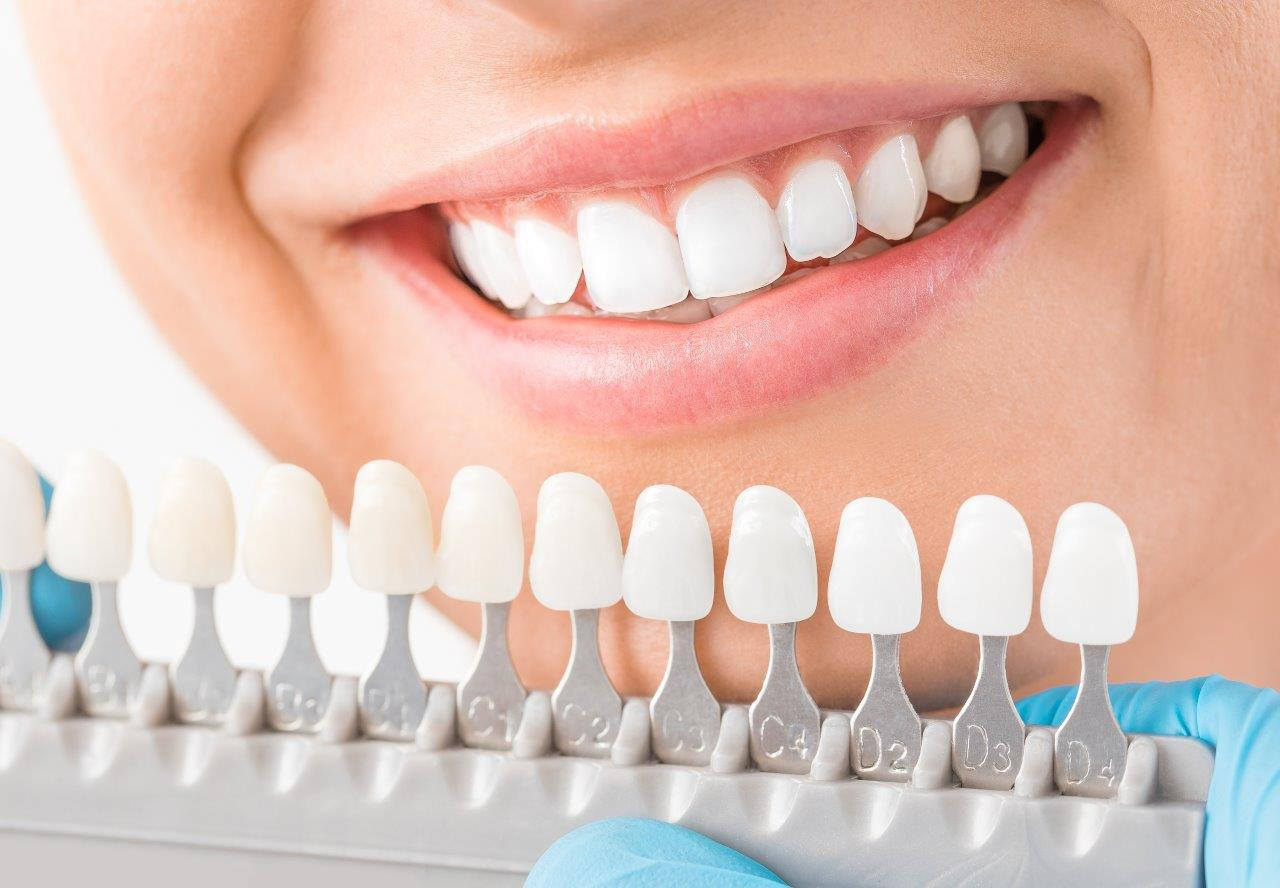
Dental veneers are a cosmetic dental treatment designed to improve the appearance of selected teeth by placing thin, custom-made coverings over their visible surfaces. Although veneers are often associated with changes in tooth colour or shape, successful treatment begins with a detailed assessment of the entire smile.
For patients considering Veneers Dubai, the initial consultation gives the dentist an opportunity to understand the patient’s expectations while examining tooth structure, gum position, bite, facial proportions, and overall smile characteristics. At Cornerstone, this assessment can help guide the design and planning of veneers according to the individual’s dental anatomy and aesthetic preferences.
Why a Smile Assessment Is Important
Every smile is different. Teeth vary in size, shape, colour, alignment, spacing, and position, while the surrounding gums and lips also influence how the smile appears.
Because of these differences, veneers should not be planned according to a standard shape or template. A dentist needs to understand the patient’s existing smile before determining how veneers may be designed.
The assessment allows the dentist to consider both dental health and cosmetic goals. It also provides an opportunity for patients to explain what they would like to change and the type of smile they prefer.
Discussing Your Smile Goals
The consultation commonly begins with a discussion about the patient’s expectations.
Some people may be primarily concerned about tooth colour, while others may want to improve the appearance of worn, uneven, chipped, or differently shaped teeth. Patients may also be interested in changing the appearance of spacing or creating greater visual uniformity.
The dentist can discuss these goals and determine which aspects of the smile may be addressed through veneers.
Clear communication is important because terms such as “natural,” “bright,” “subtle,” or “symmetrical” can mean different things to different patients.
Examining the Overall Smile
Dentists assess more than individual teeth. They also look at how the teeth work together as a complete smile.
The dentist may evaluate the number of teeth visible when the patient smiles, the relationship between the upper and lower teeth, the overall arch shape, and how the teeth appear in relation to the lips.
This broader assessment helps determine how veneer shape and proportions should be considered.
The objective is to create a treatment plan that fits the patient’s existing smile rather than treating every tooth as an isolated structure.
Assessing Tooth Shape and Size
The shape and size of the natural teeth provide an important foundation for veneer design.
Dentists may examine tooth width, height, contours, proportions, and the relationship between neighbouring teeth.
For example, changing the width of one tooth can influence the appearance of the teeth beside it. Similarly, increasing tooth length may alter the visual relationship between the teeth and the lips.
The dentist therefore considers the entire group of teeth when planning the final design.
Evaluating Tooth Colour
Tooth colour is another important component of veneer planning.
Patients may want veneers that closely resemble natural teeth or prefer a brighter shade. The dentist discusses these preferences while assessing the current colour of the teeth.
The selected shade needs to work with the patient’s overall facial appearance and the other teeth that may remain untreated.
Shade selection is therefore part of the broader smile design process rather than simply choosing the whitest available option.
Assessing Tooth Alignment
Veneers can sometimes alter the visual appearance of mildly uneven teeth, but they are not a substitute for every type of orthodontic treatment.
During the consultation, the dentist examines the position and alignment of the teeth to understand how they relate to one another.
This assessment helps determine whether veneers may be appropriate for the desired cosmetic changes or whether another dental treatment should be considered.
Understanding the existing alignment also helps the dentist plan veneer thickness and shape.
Looking at Tooth Spacing
Spacing between teeth can influence the overall appearance of a smile.
The dentist examines the size and location of any spaces and considers how veneer dimensions could affect these areas.
If veneers are being considered to change the appearance of spacing, the dentist needs to ensure that the proposed tooth proportions remain visually balanced.
This is why spacing is assessed as part of the entire smile rather than being considered separately.
Examining Tooth Surface and Structure
Before veneers are planned, the dentist evaluates the condition of the tooth surface and underlying structure.
This can include checking for existing restorations, wear, chips, cracks, or other structural characteristics that may influence treatment planning.
A healthy foundation is important for cosmetic dental treatment. The dentist therefore evaluates each tooth individually before deciding whether it is suitable for veneer treatment.
Assessing Gum Position
The gums play a significant role in smile aesthetics.
The dentist may evaluate the height, symmetry, and position of the gum line around the teeth. Differences in gum position can affect how long or short teeth appear.
Because veneers are designed to complement the surrounding gum tissue, gum position can influence the shape and proportions selected for the restoration.
The assessment helps the dentist understand the relationship between the teeth and gums before designing the veneers.
Evaluating the Gum Line
A balanced gum line can contribute to the overall appearance of the smile.
The dentist examines how the gum margins relate to neighbouring teeth and whether there are noticeable differences in their height or shape.
This information can influence veneer design because tooth length and contour are visually connected to gum position.
The goal is to create a design that works naturally with the existing gum line.
Assessing the Bite
The way the upper and lower teeth meet is an important part of veneer planning.
The dentist checks the patient’s bite to understand how much contact occurs between the teeth and where pressure is distributed.
This information can influence the thickness, shape, and placement of the veneers.
The cosmetic design needs to work within the patient’s existing functional relationship between the upper and lower teeth.
Understanding Facial Proportions
A smile does not exist separately from the face. Facial proportions can influence how the teeth are perceived.
During a comprehensive consultation, the dentist may consider facial symmetry, lip shape, smile width, and the relationship between the teeth and surrounding facial features.
This broader perspective can help guide the proportions of the veneers.
Rather than designing teeth according to a generic model, the dentist can consider how the proposed smile fits the patient’s individual facial characteristics.
Examining the Lips and Smile Line
The lips frame the teeth when a person smiles.
Dentists may observe the amount of tooth structure visible at rest and during smiling. They may also assess the curve of the smile and how the teeth follow the lower lip.
These observations can provide useful information for determining appropriate tooth length and shape.
The objective is to design veneers that complement the way the patient’s smile naturally moves.
Considering Tooth Length
Tooth length can strongly influence the appearance of a smile.
Patients may want to make teeth appear longer, particularly when wear or differences in tooth proportions affect their appearance. However, the ideal length depends on several factors, including facial proportions, gum position, bite, and neighbouring teeth.
The dentist evaluates these factors before deciding on an appropriate veneer design.
Assessing Existing Dental Work
Existing fillings, crowns, bonding, or other dental restorations may influence veneer planning.
The dentist examines existing dental work to determine how it interacts with the teeth being considered for veneers.
The condition and position of existing restorations may affect whether a tooth is suitable for a veneer or whether another restorative approach would be more appropriate.
This assessment helps create a comprehensive treatment plan.
Reviewing Dental Health Before Cosmetic Treatment
Cosmetic treatment generally begins with an assessment of overall dental health.
The dentist may examine the teeth and gums for conditions that need attention before veneers are planned.
This step ensures that the cosmetic treatment is considered in the context of the patient’s broader oral health.
Patients should also discuss their dental history and any previous treatments with their dentist so that the treatment plan reflects their complete situation.
Discussing the Number of Veneers
Not every patient needs veneers on every visible tooth.
The number of veneers depends on the patient’s smile, the teeth they want to change, and how the proposed restorations will relate to neighbouring teeth.
Some patients may require treatment focused on a small number of teeth, while others may want a broader smile transformation.
The dentist can evaluate the visible teeth and determine how many restorations may be appropriate for the desired result.
Creating a Smile Design
After evaluating the teeth, gums, bite, facial proportions, and aesthetic preferences, the dentist can begin developing a smile design.
This process involves considering the dimensions, shape, colour, and arrangement of the veneers.
The design should reflect the patient’s individual features rather than following a single standard appearance.
At Cornerstone, patients considering Veneers Dubai can discuss their preferred aesthetic while the dentist evaluates how different design choices may work with their natural smile.
Using Digital Technology in Veneer Planning
Modern dentistry may use digital scanning and smile-design technology during veneer planning.
Digital scans can provide detailed information about the patient’s teeth and may support the design and fabrication process.
Digital tools can also help dentists communicate proposed changes more clearly with patients.
The exact technology used depends on the clinic and the treatment plan, but digital dentistry has become an important part of many modern cosmetic dental workflows.
Discussing the Desired Shade and Shape
Patients should communicate their preferences regarding tooth shade and shape during the consultation.
Some may prefer a soft, natural appearance, while others may want a brighter and more noticeable smile.
The dentist considers these preferences alongside tooth proportions, facial features, and the surrounding teeth.
This discussion helps ensure that the final design reflects the patient’s expectations while remaining appropriate for their dental anatomy.
Planning the Veneer Preparation
Once the smile has been assessed and the treatment plan established, the dentist can explain how the teeth will be prepared for veneers.
The preparation requirements depend on the type of veneer, tooth position, existing structure, and desired design.
The dentist can explain what changes may be required and how the restoration will fit over the prepared surface.
Understanding this stage gives patients a clearer picture of how their veneers will be created and fitted.
Why Personalised Veneer Planning Matters
A standard veneer shape cannot provide the same result for every person because smiles differ in countless ways.
Tooth size, gum position, facial proportions, lip movement, bite, and existing dental structure all influence how veneers should be designed.
For patients considering Veneers Dubai, a personalised consultation provides an opportunity to evaluate these factors before treatment begins.
Preparing for Your Veneer Consultation
Patients can prepare for a veneer consultation by thinking about what they would like to change about their smile.
It may be helpful to identify whether colour, shape, spacing, tooth length, or overall symmetry is the main concern.
Reference photographs can also be useful for explaining preferred styles. However, the dentist will assess whether those preferences can be adapted to the patient’s individual smile.
Being clear about expectations makes the consultation more productive and helps guide the smile-design process.
Conclusion
A comprehensive smile assessment is an essential part of planning dental veneers. Dentists examine tooth shape, size, colour, alignment, spacing, gum position, bite, facial proportions, lip movement, and existing dental work before developing a treatment plan.
For patients considering Veneers Dubai, the initial consultation provides an opportunity to explain personal aesthetic goals while receiving an assessment tailored to the individual’s dental anatomy. At Cornerstone, this approach can help guide the design of veneers so that the proposed treatment considers the smile as a complete structure.
Veneer treatment is therefore more than simply placing coverings over teeth. Careful assessment and personalised design help ensure that factors such as proportion, colour, shape, and function are considered together before treatment begins.
Frequently Asked Questions
What does a dentist check before veneers?
A dentist may assess tooth shape, size, colour, alignment, spacing, gum position, bite, existing dental work, tooth structure, facial proportions, and overall smile characteristics.
Why is the bite assessed before veneers?
The bite shows how the upper and lower teeth interact. This information can influence veneer shape, thickness, and placement so the restorations work with the existing dental structure.
Can veneers change the shape of teeth?
Yes. Veneers can be custom-designed to alter the visible shape, width, length, and contours of selected teeth, depending on the patient’s dental anatomy and treatment plan.
How does the dentist choose the veneer colour?
The dentist considers the patient’s desired shade alongside the colour of surrounding teeth, facial appearance, and the selected veneer material.
Will my gums be examined before veneers?
Yes. The position and appearance of the gums can influence tooth proportions and veneer design, so the gum line is commonly assessed during the consultation.
How many veneers will I need?
The number varies from patient to patient. It depends on which teeth are visible when smiling, which teeth the patient wants to change, and how the proposed restorations will relate to neighbouring teeth.
Can veneers fix crooked teeth?
Veneers can sometimes improve the appearance of mildly uneven teeth, but they are not suitable for every type of alignment concern. The dentist evaluates the teeth before recommending an appropriate approach.
Can veneers close spaces between teeth?
Veneers may be used to alter the appearance of certain spaces by changing tooth proportions. The dentist assesses the size and location of the spacing before determining whether veneers are appropriate.
Why are facial proportions considered for veneers?
The teeth are part of the overall facial appearance. Considering facial proportions, lips, smile width, and tooth visibility can help guide the design of appropriately proportioned veneers.
Can I bring photos of the smile I want?
Yes. Reference photographs can help communicate your preferences. However, the dentist will adapt the design according to your individual teeth, facial features, bite, and oral anatomy.
How important is the initial consultation for Veneers Dubai?
The consultation is important because it allows the dentist to assess your smile comprehensively and understand your aesthetic goals before designing the veneers.
Where can I discuss Veneers Dubai treatment?
Patients considering Veneers Dubai can arrange a consultation with Cornerstone to discuss their smile goals, dental condition, veneer options, and personalised treatment planning.