Introduction to Odoo Reporting and Dashboard System
Modern businesses rely heavily on data to make informed decisions, and this is where Odoo reporting plays a critical role. Odoo is an integrated business management platform that provides powerful tools for analyzing data across different departments such as sales, finance, inventory, and operations. Through structured reporting capabilities, users can transform raw business data into meaningful insights that support decision-making and performance improvement.
At the same time, Odoo dashboard features offer a visual representation of key performance indicators (KPIs), making it easier for managers and teams to monitor real-time business performance. When combined with advanced reporting tools, Odoo becomes a complete analytics ecosystem that supports both strategic planning and daily operations.
Understanding Odoo Reporting for Business Insights
Odoo reporting is designed to help businesses generate detailed reports based on real-time data. These reports can be customized according to business needs, allowing users to filter, group, and analyze information in a structured way. Whether it is sales performance, financial statements, or inventory tracking, Odoo reporting ensures that all critical data is accessible in an organized format.
One of the key strengths of Odoo reporting is its flexibility. Users can create dynamic reports that adapt to changing business requirements. This allows organizations to track performance trends, identify inefficiencies, and make data-driven decisions. With proper utilization of reporting tools, businesses can improve transparency and maintain better control over their operations.
Key Odoo Dashboard Features for Real-Time Monitoring
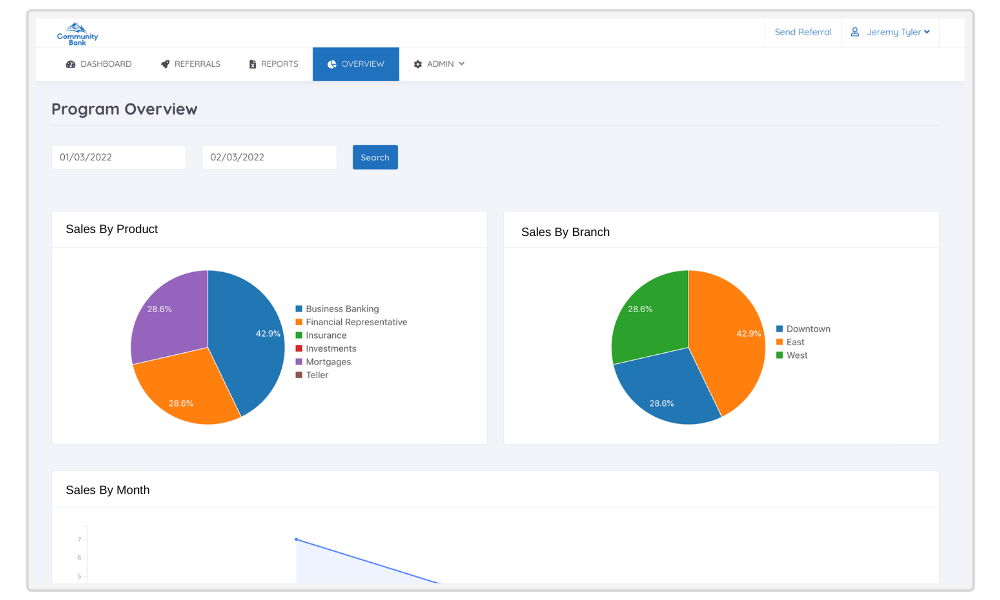
The Odoo dashboard features provide a centralized interface where users can view important business metrics at a glance. These dashboards are highly customizable and can be tailored to different departments or roles within an organization. For example, a sales manager can view revenue trends, while a finance team can monitor cash flow and expenses in real time.
Dashboards in Odoo are designed to simplify complex data into visual formats such as graphs, charts, and KPIs. This makes it easier for decision-makers to quickly understand business performance without analyzing raw data manually. The real-time nature of these dashboards ensures that users always have access to updated information, which is essential for fast-paced business environments.
Integration of Odoo Reporting with Dashboard Features
One of the most powerful aspects of Odoo is the integration between Odoo reporting and dashboard systems. Reports generated within the platform can be directly linked to dashboards, allowing users to visualize detailed data in an interactive format. This combination enhances both analysis and monitoring capabilities.
For example, a financial report created in Odoo can be displayed on a dashboard as a visual summary of revenue trends, expenses, and profit margins. This integration eliminates the need to switch between different tools, creating a seamless data experience. It also improves efficiency by reducing the time required to interpret complex datasets.
Advanced Reporting Tools in Odoo for Better Decision Making
Advanced reporting tools in Odoo allow businesses to go beyond basic data analysis. These tools enable users to create pivot tables, filter large datasets, and apply advanced grouping options to extract deeper insights. With Odoo reporting, organizations can analyze historical data and predict future trends more effectively.
These advanced tools also support multi-dimensional analysis, where data can be evaluated from different perspectives such as time period, department, or product category. This level of detail helps businesses identify patterns that are not visible in standard reports. As a result, decision-makers can develop more accurate strategies based on real data insights.
Enhancing Business Performance with Odoo Dashboard Features
The Odoo dashboard features play a crucial role in improving overall business performance by providing real-time visibility into operations. Managers can track key metrics instantly, which helps in identifying issues early and taking corrective actions. This proactive approach reduces risks and improves operational efficiency.
Dashboards also support goal tracking by allowing businesses to set performance indicators and monitor progress over time. This ensures that teams remain aligned with organizational objectives. When combined with reporting tools, dashboards become even more powerful as they provide both summary views and detailed insights.
Benefits of Combining Odoo Reporting and Dashboard Features
The combination of Odoo reporting and dashboard features creates a comprehensive business intelligence system. While reporting focuses on detailed analysis, dashboards provide a simplified visual overview. Together, they offer a complete solution for data management and decision-making.
This combination improves productivity by reducing manual data analysis and increasing accessibility to important information. It also enhances collaboration within organizations, as teams can easily share reports and dashboards for better communication. Ultimately, businesses gain a clearer understanding of their performance and can make faster, more informed decisions.
Conclusion
Odoo provides a powerful combination of reporting and dashboard tools that help businesses manage data effectively. Odoo reporting enables detailed analysis of business operations, while Odoo dashboard features offer real-time visualization of key metrics. When used together with advanced reporting tools, they create a strong analytical framework that supports better decision-making and improved business performance.