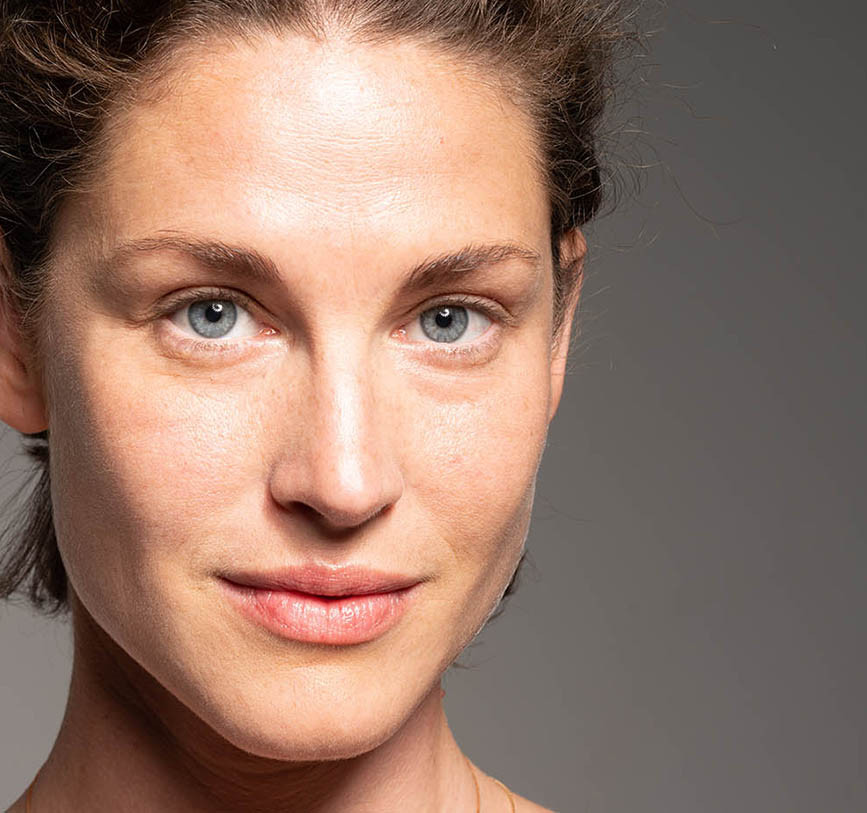
The upper eyelids play an important role in facial appearance, framing the eyes and contributing to overall facial balance. Changes in eyelid skin, brow position and the amount of visible eyelid can gradually alter this balance. For individuals considering Upper Eyelid Surgery in London, understanding how eyelid proportions influence treatment planning can provide useful insight into the consultation process.
Upper eyelid surgery is not based simply on removing a particular amount of excess skin. Every person’s eyelid anatomy is different, and factors such as eyelid crease position, brow height, skin quality, eye shape and facial proportions can influence how treatment is planned.
At an experienced Eyelid Surgery Clinic in London, a detailed assessment can help identify the features that contribute to the appearance of the upper eyelids. This allows treatment planning to be tailored to the individual rather than relying on a standard approach.
What Does Eyelid Proportion Mean?
Eyelid proportion refers to the relationship between different structures surrounding the eye. This includes the amount of visible upper eyelid, the position of the natural eyelid crease, the eyebrow, the eyelashes and the surrounding facial features.
The upper eyelid does not exist independently from the rest of the face. Its appearance is influenced by the brow and forehead above it and by the cheek and eye area surrounding it.
When assessing someone for Upper Eyelid Surgery in London, a specialist therefore looks at these relationships rather than concentrating exclusively on loose skin.
Why Is Eyelid Proportion Important?
A balanced eyelid appearance depends on the relationship between several anatomical features. If too much skin covers the natural eyelid area, the eyes may appear more hooded. If the brow sits lower, the upper eyelid can also appear more covered.
Similarly, differences in eyelid crease height can influence how much eyelid is visible.
Understanding these proportions allows a specialist to establish what is contributing to the patient’s concerns. This can be particularly important when deciding whether the focus should be on the eyelid skin, the surrounding structures or a combination of factors.
How Is the Upper Eyelid Assessed?
An upper eyelid assessment generally begins with a discussion about the patient’s concerns and aesthetic objectives.
The specialist examines the eyes while the face is relaxed and may observe the eyelids during natural facial expressions. The position of the eyebrows, the amount of visible eyelid and the appearance of the upper eyelid folds can all be considered.
The two sides of the face are also compared because natural asymmetry is common.
This detailed assessment provides the information needed to develop an individual treatment plan.
The Role of the Natural Eyelid Crease
The natural upper eyelid crease is an important reference point during treatment planning.
Its position varies from person to person and can influence the amount of visible eyelid surface. Some individuals naturally have a higher crease, while others have a lower or less prominent crease.
The specialist may examine how the existing skin sits around this crease and how the fold changes when the eyes are open and closed.
Considering the natural crease helps ensure that treatment planning takes the patient’s existing anatomy into account.
How Does Brow Position Affect Eyelid Proportion?
The eyebrow and upper eyelid are closely connected. A lower brow can create a heavier or more covered appearance, while a higher brow may expose more of the upper eyelid.
This means that what appears to be excess eyelid skin may sometimes be influenced by brow position.
During a consultation, the specialist can assess the brow at rest and during natural movement. This helps determine how the brow contributes to the overall eyelid appearance.
For patients considering Upper Eyelid Surgery in London, this assessment is an important part of understanding the underlying anatomy.
Assessing the Amount of Visible Eyelid
The amount of eyelid visible between the eyelashes and the natural crease can vary considerably.
A specialist may evaluate this area when determining the individual’s eyelid proportions. Excess skin may extend over part of the visible eyelid, creating a more hooded appearance.
However, the objective is not necessarily to maximise the amount of visible eyelid. Instead, the treatment plan should consider what is appropriate for the patient’s natural facial structure.
This is why proportion and balance are important when planning Upper Eyelid Surgery in London.
Considering Skin Quality
Skin quality can influence the appearance of the upper eyelid and the way excess skin forms folds.
The specialist may assess the thickness, elasticity and overall characteristics of the eyelid skin. These factors can help determine how the skin contributes to the patient’s concerns.
Rather than using the same approach for every person, the treatment plan can be adapted according to individual skin characteristics and facial anatomy.
Why Are Both Eyes Compared?
Although the human face often appears symmetrical at first glance, small differences between the left and right sides are normal.
One eyelid may have a slightly different crease height, skin fold or brow position from the other. These differences can become more noticeable when examining the eyes closely.
During an assessment, both eyelids are therefore compared. Recognising existing asymmetry helps the specialist understand the patient’s natural anatomy before developing a treatment plan.
How Does Facial Structure Influence Treatment Planning?
The eyes form part of a larger facial framework. The forehead, eyebrows, eyelids, cheeks and nose all contribute to facial harmony.
For this reason, a specialist may consider the patient’s overall facial proportions when evaluating the upper eyelids.
For example, the same amount of excess eyelid skin may look different depending on brow height, eye shape and facial structure.
This broader assessment can help create a treatment plan that is appropriate for the individual’s appearance rather than applying a uniform technique.
Upper Eyelid Surgery and Individual Treatment Planning
The purpose of an individualised approach is to determine what specifically needs to be addressed.
Some patients may have noticeable excess skin, while others may have a combination of skin folds, changes in eyelid contour and differences in brow position.
The specialist can assess these features and discuss how they relate to the patient’s aesthetic concerns.
This is particularly important for Upper Eyelid Surgery in London, where the objective is to plan treatment around the person’s existing anatomy and desired appearance.
What Happens During an Eyelid Surgery Consultation?
A consultation typically starts with a conversation about what the patient would like to change.
The specialist then examines the upper eyelids, eyebrows and surrounding facial structures. The natural eyelid crease, skin quality, visible eyelid area and facial symmetry may be evaluated.
The specialist can then explain which anatomical features are relevant to the treatment plan.
Patients can also use the consultation to ask questions about the procedure, expected changes and how the treatment is tailored to their facial characteristics.
Why Is a Personalised Approach Valuable?
No two pairs of eyes are exactly alike. Differences in eyelid crease, brow position, skin characteristics and facial proportions mean that treatment needs to be considered individually.
A personalised assessment allows the specialist to focus on the features that matter most for the particular patient.
Rather than approaching eyelid surgery as a standard procedure with an identical plan for everyone, the specialist can consider the patient’s unique anatomy and aesthetic goals.
Upper Eyelid Surgery Compared With Lower Eyelid Surgery
Upper and lower eyelid procedures address different areas and concerns.
Lower Eyelid Surgery In London generally focuses on the lower eyelid and may address concerns such as excess skin, under-eye fullness or changes in the lower eyelid contour.
Upper eyelid surgery, by contrast, focuses on the upper eyelid and its relationship with the brow and forehead.
In some cases, people may be interested in both areas. A specialist can assess the upper and lower eyelids together to understand how they relate to one another and whether a combined treatment approach is appropriate.
Choosing an Eyelid Surgery Clinic in London
Selecting an experienced Eyelid Surgery Clinic in London is an important part of the treatment journey.
A thorough consultation should give patients an opportunity to understand their individual eyelid anatomy and how this may influence treatment planning.
Bodyvie Clinic provides information and consultations relating to eyelid procedures, allowing patients to discuss their aesthetic concerns and explore suitable treatment options.
A detailed assessment can help patients understand why their treatment plan may differ from someone else’s and why proportion is an important consideration.
Preparing for Your Consultation
Before attending an eyelid surgery consultation, it can be helpful to think about the specific features you would like to improve.
You may be concerned about excess skin, a hooded appearance, reduced visible eyelid space or the overall balance of the eyes.
Writing down your questions beforehand can help you make the most of your consultation. It is also useful to communicate your expectations clearly so that the specialist can consider them alongside the clinical assessment.
Conclusion
Eyelid proportion plays an important role in planning Upper Eyelid Surgery in London. The amount of visible eyelid, natural crease position, eyebrow height, skin quality, facial symmetry and surrounding facial structures can all influence how the upper eyelids appear.
Because these characteristics vary from person to person, treatment planning should be individualised. A detailed consultation allows the specialist to understand the patient’s anatomy and identify the features that are most relevant to their concerns.
At an experienced Eyelid Surgery Clinic in London, this comprehensive approach can help patients understand how their unique eyelid proportions influence the proposed treatment. Bodyvie Clinic can provide an opportunity to discuss individual concerns and explore an appropriate approach based on the patient’s facial characteristics and aesthetic objectives.
FAQs
How does eyelid proportion affect upper eyelid surgery?
Eyelid proportion helps determine how much of the upper eyelid is visible and how the eyelid relates to the eyebrow and surrounding facial structures. These factors can influence the treatment plan.
What is assessed before Upper Eyelid Surgery in London?
A specialist may assess the upper eyelid skin, natural crease, eyebrow position, visible eyelid area, skin quality, facial symmetry and overall facial proportions.
Why is brow position considered during eyelid surgery planning?
The brow can influence how much skin appears to cover the upper eyelid. Assessing its position helps distinguish the contribution of the brow from the contribution of the eyelid itself.
Does everyone have the same natural eyelid proportions?
No. Eyelid crease position, brow height, eye shape and visible eyelid space can vary considerably between individuals.
Why are both eyelids compared during a consultation?
Comparing both sides helps identify natural differences in crease position, skin folds and brow height. This information can be considered when developing an individual treatment plan.
Can excess upper eyelid skin change eyelid proportion?
Yes. Excess skin can cover part of the visible eyelid and create a more hooded appearance. The specialist assesses how much the skin contributes to the overall appearance.
What is the difference between Upper Eyelid Surgery and Lower Eyelid Surgery In London?
Upper eyelid surgery focuses primarily on the upper eyelid area, while Lower Eyelid Surgery In London focuses on the lower eyelid and concerns affecting the area beneath the eyes.
Why is the natural eyelid crease important?
The natural crease provides an important anatomical reference when assessing the upper eyelid. Its position and relationship with the skin can influence treatment planning.
Does facial structure affect eyelid surgery planning?
Yes. The eyebrows, forehead, cheeks and other surrounding facial features contribute to the overall appearance of the eyes, so they may be considered during assessment.
What should I discuss during an eyelid surgery consultation?
You should explain which aspects of your eyelid appearance concern you most and describe your desired outcome. You can also ask how your individual eyelid proportions may influence the proposed treatment.
Why choose an Eyelid Surgery Clinic in London?
A specialist clinic can provide a detailed assessment of the eyelids and surrounding structures, helping ensure that treatment discussions are based on individual anatomy and aesthetic goals.
How can I learn more about Upper Eyelid Surgery in London?
You can arrange a consultation with Bodyvie Clinic to discuss your concerns and learn how your individual eyelid proportions may influence treatment planning for Upper Eyelid Surgery in London.