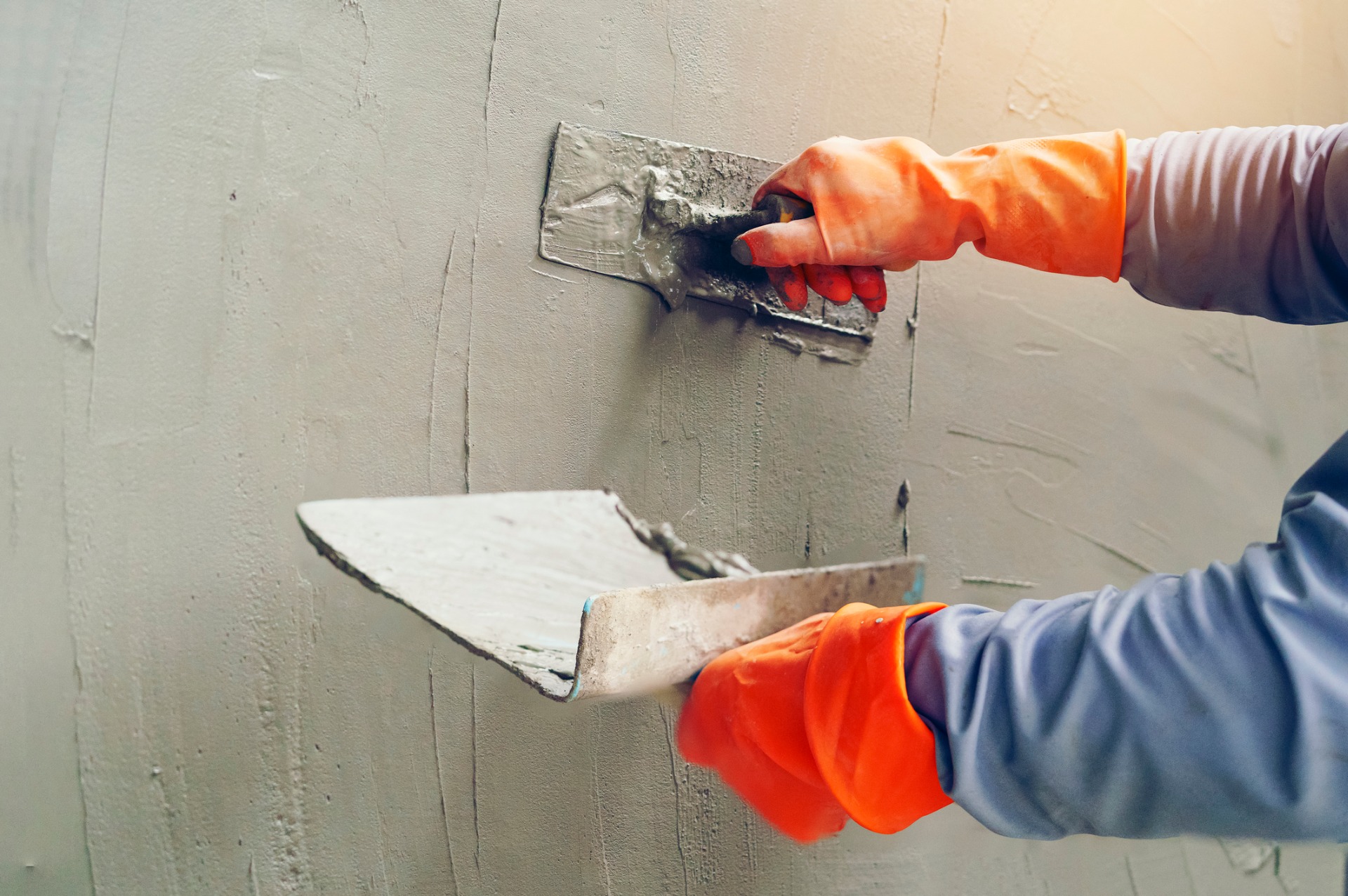
Creating smooth, attractive, and long-lasting walls is an essential part of any renovation or construction project. Whether you’re building a new home, remodeling a single room, or repairing damaged surfaces, achieving a flawless finish requires the right techniques and materials. Plastering, Skimming, and plasterboard walls play a significant role in producing clean, professional-looking interiors that enhance both appearance and durability.
Many homeowners focus on paint colors and decorative finishes without realizing that the quality of the wall beneath the paint determines the final result. Uneven surfaces, cracks, or poorly finished joints can quickly reduce the overall appeal of a room. Investing in proper wall preparation not only improves aesthetics but also extends the life of your interior finishes.
This guide explains the essentials of plastering, skimming, and plasterboard walls, including their benefits, applications, installation process, maintenance, and how to choose the right professionals for your project.
Understanding Modern Wall Finishing
Modern construction methods have evolved significantly over the years. Today’s homeowners and builders seek solutions that provide durability, efficiency, and a polished appearance. Wall finishing techniques have become an essential part of achieving these goals.
Proper wall preparation creates a strong foundation for paint, wallpaper, or decorative coatings. Smooth walls improve light reflection, make rooms appear larger, and provide a cleaner overall appearance. Professionally finished walls also help reduce visible imperfections, making them easier to clean and maintain over time.
What Is Plastering?
Plastering is the process of applying a layer of plaster to walls or ceilings to create a smooth, protective surface. Traditionally, plaster was applied directly to masonry, brick, or concrete walls. Modern plastering techniques continue to provide exceptional durability while improving insulation and fire resistance.
Some of the major benefits of plastering include:
- Creates a smooth, even surface
- Protects underlying wall structures
- Improves resistance to everyday wear
- Enhances paint adhesion
- Increases the lifespan of interior walls
- Adds value to residential and commercial properties
Quality plastering requires experience, attention to detail, and proper preparation to avoid issues such as cracking or uneven finishes.
What Is Skimming?
Skimming is a finishing technique that involves applying a very thin coat of finishing plaster over existing walls or plasterboard. It is commonly used to restore damaged surfaces or prepare newly installed plasterboard for painting.
Skimming is an excellent solution when walls contain:
- Hairline cracks
- Minor dents
- Surface imperfections
- Uneven textures
- Old paint damage
A professionally skimmed wall provides a perfectly smooth finish that significantly improves the appearance of any room. Unlike complete replastering, skimming is often quicker and more cost-effective while still delivering outstanding results.
Understanding Plasterboard Walls

Plasterboard, often referred to as drywall or gypsum board in some regions, has become one of the most popular wall construction materials due to its speed of installation and versatility. Plasterboard consists of a gypsum core sandwiched between durable paper layers. These boards are attached to timber or metal framing before joints are taped and finished.
Advantages of plasterboard include:
Fast Installation
Compared to traditional masonry walls, plasterboard can be installed much more quickly, helping reduce construction timelines.
Smooth Surface
When properly finished, plasterboard provides an exceptionally flat surface ready for painting or wallpaper.
Fire Resistance
Many plasterboard products offer excellent fire-resistant properties, making them suitable for residential and commercial buildings.
Sound Insulation
Special acoustic plasterboards improve noise reduction between rooms, creating more comfortable living and working environments.
Energy Efficiency
Combined with insulation materials, plasterboard contributes to improved thermal performance, helping maintain comfortable indoor temperatures.
The Relationship Between Plastering, Skimming, and Plasterboard
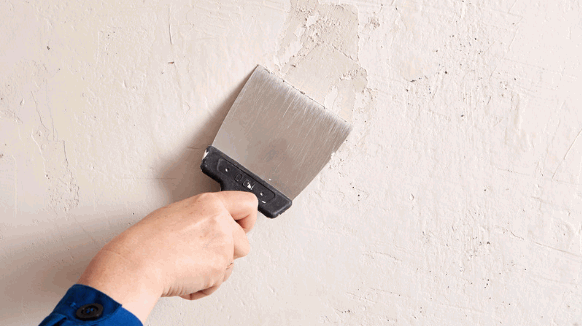
Although these techniques serve different purposes, they often work together to produce high-quality interior finishes.
- Plasterboard forms the wall structure.
- Joint compounds are applied to cover seams.
- Skimming creates a perfectly smooth finish.
- Plastering protects and enhances traditional masonry surfaces.
Together, these methods create walls that are attractive, durable, and ready for decorative finishes.
When Should Walls Be Repaired?
Over time, walls naturally develop imperfections caused by settling, moisture, accidental impacts, or aging materials.
Common signs that repairs may be necessary include:
Visible Cracks
Small cracks may appear harmless but can gradually worsen if ignored.
Peeling Paint
Poor surface preparation or moisture issues often lead to paint failure.
Uneven Surfaces
Bumps, ridges, or visible joints become highly noticeable after painting.
Water Damage
Leaks can weaken plaster and create staining or bubbling that requires professional repair.
Damaged Corners
High-traffic areas often experience chipped or broken wall corners that need restoration.
Repairing these issues before decorating produces far better long-term results.
Choosing the Right Materials
Selecting suitable materials is essential for achieving durable wall finishes.
Factors to consider include:
Type of Surface
Brick, concrete, existing plaster, and plasterboard all require different preparation methods.
Moisture Levels
Bathrooms, kitchens, and laundry areas benefit from moisture-resistant plasterboard products.
Intended Finish
Different decorative finishes may require specific surface preparation techniques.
Building Requirements
Commercial buildings may require enhanced fire-resistant or acoustic wall systems.
Using high-quality materials helps ensure excellent long-term performance.
The Installation Process
Professional wall finishing typically follows a carefully planned sequence.
Surface Preparation
Old paint, loose material, dust, and debris are removed before work begins.
Board Installation
Where required, plasterboard panels are securely fixed to framing systems.
Joint Treatment
Special tapes and compounds reinforce panel joints to prevent future cracking.
Skimming
A thin finishing coat is applied to create an even surface.
Drying
Adequate drying time allows materials to cure properly before sanding.
Sanding
Minor imperfections are removed to achieve a perfectly smooth finish.
Priming
A quality primer prepares the surface for painting or wallpaper installation.
Each stage contributes to the overall appearance and durability of the finished walls.
Common Mistakes to Avoid
Poor workmanship often leads to disappointing results.
Some common mistakes include:
- Rushing drying times
- Applying plaster too thickly
- Inadequate joint reinforcement
- Poor surface preparation
- Using incorrect materials
- Insufficient sanding
- Painting before surfaces fully cure
Avoiding these mistakes helps produce stronger and more attractive wall finishes.
Maintenance Tips
Proper maintenance helps preserve beautifully finished walls for many years.
Helpful maintenance practices include:
- Repair small cracks promptly.
- Keep moisture under control.
- Use appropriate cleaning products.
- Avoid heavy impacts on finished surfaces.
- Repaint when necessary to protect wall finishes.
- Inspect areas around plumbing fixtures for leaks.
Routine maintenance prevents small issues from becoming expensive repairs.
Benefits of Hiring Experienced Professionals
Although some homeowners attempt wall finishing as a DIY project, achieving professional-quality results requires experience and precision.
Experienced specialists understand:
- Surface preparation techniques
- Material compatibility
- Proper application methods
- Drying requirements
- Finishing standards
- Repair procedures
Professional workmanship often saves both time and money by reducing the likelihood of future repairs.
For homeowners seeking dependable wall finishing services, Ultimate Painters and Renovations delivers skilled craftsmanship designed to achieve smooth, durable, and visually appealing interior surfaces.
Why Quality Workmanship Matters
The quality of wall preparation directly affects every decorative finish applied afterward.
Well-finished walls provide:
- Better paint coverage
- Longer-lasting finishes
- Improved property value
- Reduced maintenance costs
- Enhanced interior aesthetics
- Greater buyer appeal
Whether renovating a single room or an entire property, investing in expert wall finishing creates results that remain attractive for years.
Choosing experienced professionals ensures attention to detail throughout every stage of the project. Ultimate Painters and Renovations understands the importance of precision, quality materials, and careful workmanship in delivering exceptional interior finishes.
Conclusion
Smooth, durable walls form the foundation of every beautiful interior. Understanding the differences between plastering, skimming, and plasterboard systems helps homeowners make informed decisions during renovation or construction projects. From preparing surfaces and selecting appropriate materials to ensuring expert installation and regular maintenance, every stage contributes to long-lasting performance and visual appeal.
Whether you’re updating an older property or completing a new build, investing in professional wall finishing enhances comfort, aesthetics, and property value. By choosing the right techniques and prioritizing quality workmanship, you can enjoy interiors that remain attractive and durable for many years. When planned and executed correctly, Plastering, Skimming, and plasterboard walls provide the ideal solution for achieving flawless finishes that stand the test of time.